I am going to say something that might get me downvoted. But I have read too many case files to stay quiet.
"Drives fine" is a lie. Not always intentional. But almost always incomplete.
And when a seller says it, a buyer hears "nothing is wrong." When a shop says it, an owner hears "stop asking questions." When an owner says it in a case file, the rest of us learn nothing.
I want to kill this phrase. Or at least force everyone who uses it to add three sentences of qualification.
What "drives fine" actually means
I have been keeping a list. Every time someone writes "drives fine" in a thread, I look for the details buried later. Here is what "drives fine" has meant in real posts on this forum:
"Drives fine" – then later: "except a slight drift above 70 mph"
"Drives fine" – then later: "except the steering wheel is off-center by a few degrees"
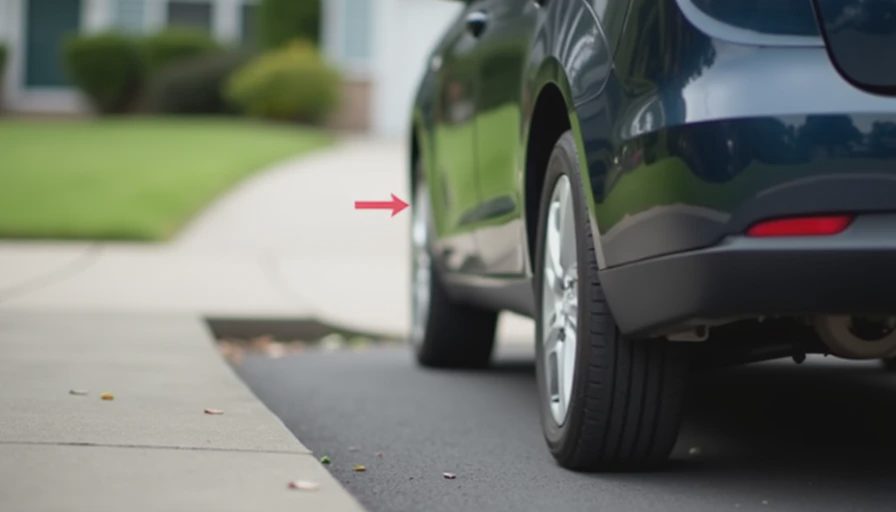
"Drives fine" – then later: "except there is a creak when backing out of my driveway"
"Drives fine" – then later: "except the rear tires wear unevenly every 8,000 miles"
"Drives fine" – then later: "except the wind noise starts at 60 mph"
"Drives fine" – then later: "except the car feels floaty on the highway"
"Drives fine" – then later: "except the door takes more force to close than the other side"
Not one of those cars drove fine. They drove acceptably. Or they drove well enough for the owner to ignore the problems. Or they drove fine compared to a rental car the owner hated.
But "fine" is not a diagnosis. It is a shrug.
Why it is dangerous for buyers
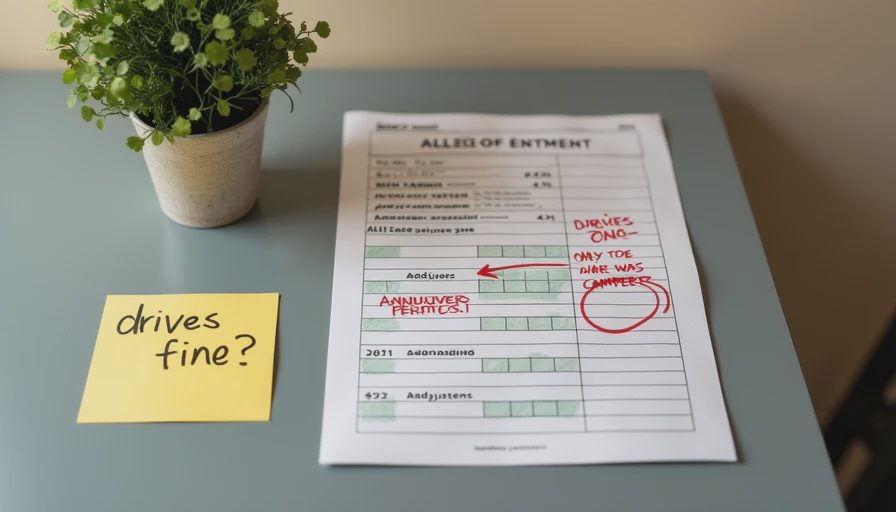
When I was looking for a used car, I saw "drives fine" in dozens of private party ads. I almost believed it.
Then I started reading this forum. Now I translate "drives fine" to: "I am not going to tell you what is wrong because either I do not know or I do not want to know."
A car that truly drives fine does not need to say it. The test drive proves it. When a seller leads with "drives fine," I assume there is something they hope I will not notice.
Not because they are dishonest. Because they have not looked. Or because they have normalized a problem that would bother me.
Why it is dangerous for owners
I see owners post "drives fine" in their own case files. Then six months later they post again: "remember that car I said drove fine? Well, now it..."
The first post did not help them. It did not help the community. It just closed the conversation.
If you write "drives fine" without qualification, you are telling the experts not to look deeper. You are cutting off advice that might have saved you from a future problem.
Why it is dangerous for shops
The worst version is when a shop says "it drives fine" and the owner repeats it here.
That shop might have done a perfect repair. Or they might have done a mediocre repair that feels okay on a 10-minute test drive. The owner will not know the difference until 5,000 miles later.
When a shop says "drives fine," ask for the alignment sheet. Ask for the frame measurement printout. Ask for the road test notes. If they cannot produce any of that, "drives fine" is just a opinion. And opinions are not structural data.
What I want instead
If you are selling a car:
"The car tracks straight at 70 mph on a flat road. No vibration. No pull. The steering wheel is centered within 1 degree. No unusual wind noise. No creaks or rattles over speed bumps. I have driven it 3,000 miles since the repair and these observations are consistent."
That is not "drives fine." That is data.
If you are posting a case file:
"At 500 miles post-repair, the car drives straight with no pull. However, I have noticed: (1) a slight dead spot off-center in the steering, (2) a creak from the right rear when entering driveways, and (3) wind noise above 65 mph on the driver side. I am working with the shop to diagnose these."
That is honest. That is useful. That is not "drives fine."
If you are a shop writing a repair summary:
"Post-repair road test at 50 mph on city streets and 70 mph on highway. Vehicle tracks straight within 0.5 degrees of center. No vibration at any speed. No unusual noise. Braking straight. Steering return-to-center is consistent. Alignment sheet attached."
That is professional. That is defensible. That is not "drives fine."
What I am asking you
Agree or disagree? But do not just vote. Tell me:
1. Have you ever bought a car that "drove fine" and later found problems? What were they? How long did it take to discover them?
2. Have you ever posted "drives fine" in a case file and later regretted not being more specific? What would you add if you could edit that post?
3. For techs: what is the most common hidden problem you have found in a car that the owner said "drives fine"? The thing that was wrong but the owner had normalized.
4. For shop owners: do you allow your techs to write "drives fine" on repair summaries? Or do you require specific observations?
What I am not asking
I am not asking if "drives fine" is ever true. Sometimes it is.
I am asking if the phrase is overused and under-defined to the point of being dangerous.
I think it is. Change my mind. Or agree and tell me how to kill it.
No notes yet — write the first.