If you've ever watched a collision repair from start to finish, you know that what goes under the paint matters just as much as the paint itself. For structural repairs and panels that will see moisture and road salt, 2k epoxy primer is the gold standard. Unlike rattle-can spray bombs or single-stage etch primers, a true two-part catalyzed epoxy bonds chemically to bare metal and seals it against corrosion. This isn't just about a smooth paint job—it's about preventing blistering, delamination, and hidden rust that can compromise a repair years down the road.
In the crash-repair world, we see too many cars that looked good for a year or two, then started bubbling around the repaired area. Nine times out of ten, it's because the body shop cut corners on the primer. Whether you're dealing with a quarter-panel replacement, a roof panel, or a frame rail splice, the choice of primer directly affects how long the repair holds up—and how much it eats into your diminished value claim down the line.
What Exactly Is 2k Epoxy Primer?
2k epoxy primer is a two-component coating that requires a catalyst (hardener) to cure. The "2K" stands for two components: the base resin and the activator. When mixed in the correct ratio—usually 4:1 or 2:1 depending on the brand—a chemical reaction creates a cross-linked film that is tough, chemically resistant, and bonds aggressively to bare metal, old paint, and body filler. Major brands like PPG's Omni Epoxy, Sherwin-Williams Ultra-Cure, and SPI Epoxy all fall into this category.
Compared to a 1K (single-component) primer, which dries by solvent evaporation and remains somewhat porous, 2k epoxy primer forms an impermeable barrier. That means water, salt, and oxygen can't reach the metal underneath. For structural repair areas—where the original e-coat has been ground away—this is the only reliable way to restore corrosion protection.
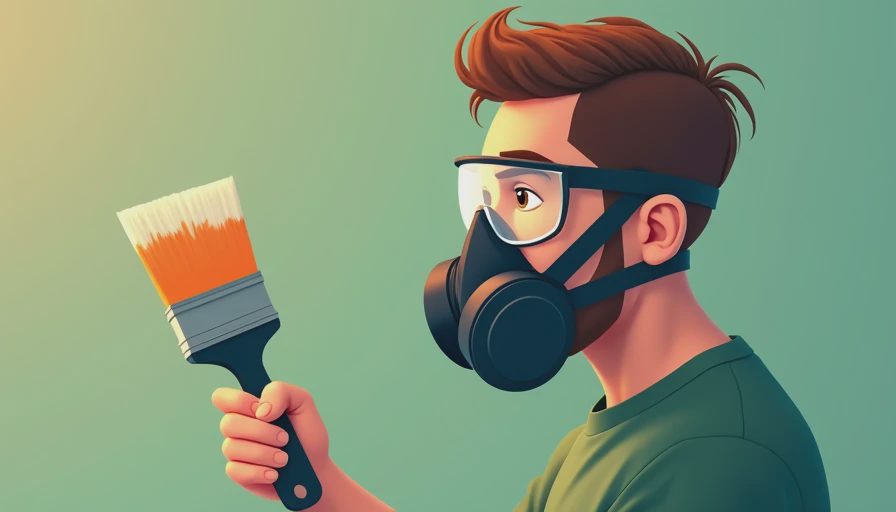
Why Your Repair's Longevity Depends on It
The consequences of skipping a quality 2k epoxy primer are not cosmetic—they're structural. Consider a typical rear-body panel replacement. The new panel is welded to the original structure, and the weld seams are typically ground smooth and covered with body filler. If the bare metal isn't sealed first, moisture wicks through the filler over time, causing the repair to blister from the inside out. Within two to three years in a salt-belt state, you can see rust staining at the edges of the repair.
For insurance claims, a poorly primed repair is a ticking time bomb. When you go to sell the car, any signs of blistering will instantly signal to a knowledgeable buyer that the repair was substandard. That can slash resale value by $2,000 or more on a $15,000 car. In diminished-value appraisals, a repair that uses proper 2k epoxy primer actually holds value better than one that doesn't—the appraiser can point to a documented, high-quality materials list.
How to Identify a Proper 2k Epoxy Primer Application
Not all body shops use the same materials. Here's what to look for on your repair invoice or when you inspect the work:
- **Product name on the job sheet:** Look for "epoxy primer" or "2K epoxy" from a known brand. If it just says "primer," ask for specifics.
- **Application over bare metal:** Epoxy should be applied directly to properly prepped bare metal before any body filler goes on. If the shop puts filler first, that's a red flag.
- **Full coverage:** The primer should cover all exposed metal, including inside wheel wells, flanges, and behind the panel when accessible. Overspray doesn't count.
- **No texture or orange peel:** A properly sprayed 2K epoxy lays down smooth and sandable. If it looks like a gravel driveway, the mix ratio is off or the gun settings were wrong.
If you're having the work done yourself or at a high-end shop, expect to pay $200–$400 for a gallon of quality 2k epoxy primer and activator. That might seem steep compared to a $10 can of spray primer, but on a full panel replacement, it's the difference between a repair that lasts the life of the car and one that fails before the loan is paid off.
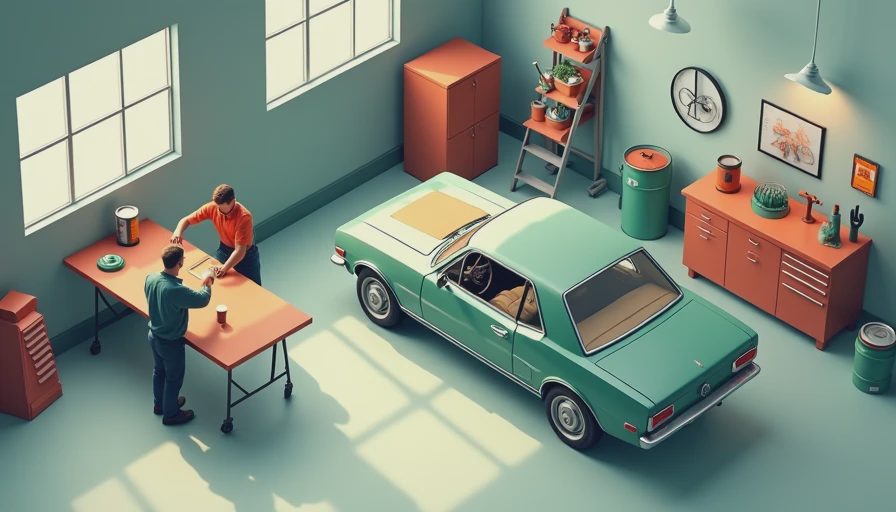
Cost Considerations: Is Cheap Primer Worth the Risk?
In the CrashFile Garage case files, we've seen owners try to save money by using self-etching primer from an aerosol can on structural repairs. Almost every single time, it ends badly. Self-etching primers are fine for light sanding and quickly blending over small areas—they etch into the metal with acid. But they are thin, porous, and not designed to seal large panels or welds. Over a crash repair that bends metal and creates stress cracks, those thin coatings break down fast.
A proper two-part 2k epoxy primer costs more upfront, but it eliminates the risk of corrosion-related rework. If you're paying a shop for a repair on an insurance claim, check that the supplement line item includes epoxy primer. Some shops try to use cheaper standard primer to boost their profit margin. If you see "primer" on the estimate without the words "epoxy" or "2K," push back. Demand the real thing. It's your car—and your future resale value—on the line.
Final Thoughts on 2k Epoxy Primer
The evidence is clear: for any repair that exposes bare metal—especially structural work—2k epoxy primer is not optional. It's a fundamental requirement for long-term durability and corrosion resistance. Whether you're an owner researching your shop's process or a DIYer tackling a panel replacement, don't let the up-front cost of quality primer steer you into a shortcut. A few extra dollars today can save you thousands in future rust repair and diminished value.
As always, what does the paperwork actually show? If it doesn't list a 2K epoxy primer, ask questions before the paint goes on. Cosmetically clean is not structurally clean—and the primer layer is where the real protection begins.

No notes yet — write the first.