The Truth About Paint Booth Ventilation in Collision Repair
When your car comes back from a body shop, the paint job is the first thing you see. But behind that shine is a factor that many owners overlook: paint booth ventilation. It plays a huge role in whether that finish stays flawless and whether the shop is protecting themselves and your vehicle. Let’s get into the details.
Why Paint Booth Ventilation Matters for Your Repair
Paint booth ventilation isn’t just about sucking out fumes. It directly controls the environment where your car gets painted. Proper ventilation keeps airborne contaminants like dust, overspray, and solvents from settling on wet paint. Without it, you end up with a finish that looks like sandpaper or has fish eyes. More importantly, it prevents solvent vapors from building up to explosive levels. In a worst-case scenario, poor ventilation can lead to a fire or health hazards for workers.
For your car, the biggest risk is a poor bond between the paint and the substrate. If the airflow is off, paint can dry too fast or trap moisture, leading to peeling or blistering down the road. You might not see it until months after you pick up the car. So when a shop tells you their paint booth ventilation is “fine,” you should ask for specifics.
Common Signs of Poor Ventilation
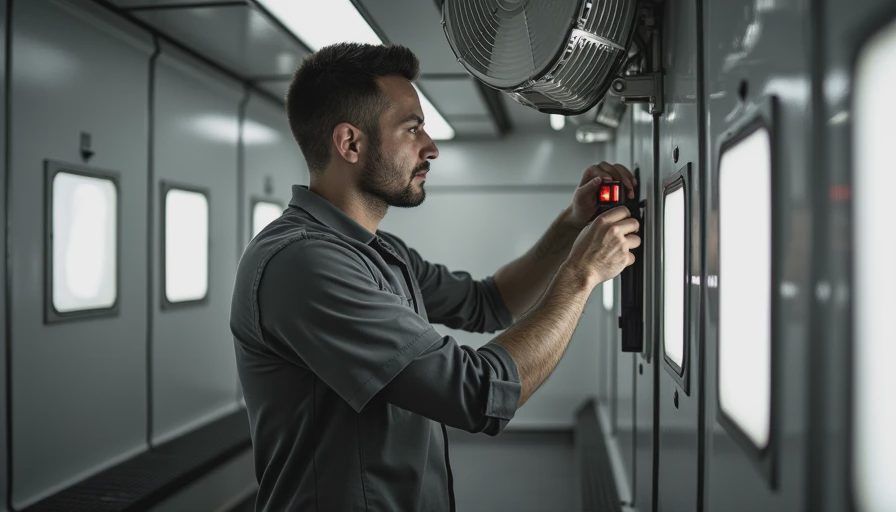
How can you tell if a shop’s paint booth ventilation is lacking? One telltale sign is a strong solvent smell lingering in the shop or in your car after delivery. Another is dust nibs or orange peel texture in the paint — that’s often from unfiltered air or improper airflow patterns. You might also notice uneven color or a matte finish in spots, which indicates the paint didn’t cure evenly.
Skilled painters know the value of good paint booth ventilation because it affects their work. In a shop where the system is neglected, you’ll often hear excuses like “that’s normal for a repaint” or “it’ll buff out.” Don’t accept that. A properly ventilated booth should produce a clean, consistent finish every time.
What a Proper Paint Booth Ventilation System Looks Like
We’re not saying every shop needs a $50,000 downdraft booth. But a professional-grade setup includes a few key components. First, the intake air should be filtered to remove dust and debris. The exhaust must pull air at a consistent rate — typically 100-150 feet per minute across the booth. There should be a balance between intake and exhaust to prevent pressure imbalances that cause overspray to settle on the car.
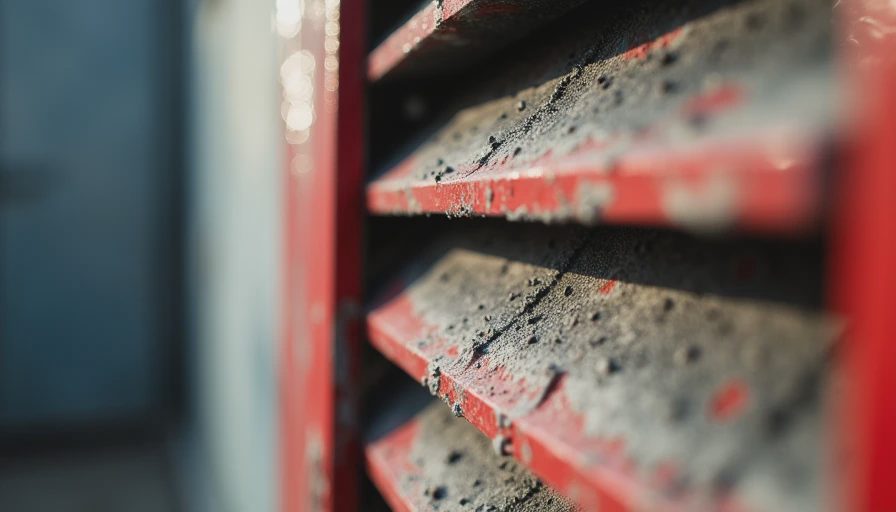
Many high-end shops use a “downdraft” system where air flows from ceiling to floor, carrying particles away from the car surface. Cross-draft booths are cheaper but can leave paint defects if not carefully managed. Regardless of the type, the filters must be changed regularly. A clogged filter reduces airflow and lets contaminants circulate.
How to Evaluate a Shop’s Ventilation Before You Commit
Before you hand over your keys, ask the shop about their paint booth ventilation. What type of system do they have? How often do they change filters? Do they have a maintenance log? If they hesitate or give vague answers, that’s a red flag. A quality shop will be proud to show you their booth and explain how they keep the air clean.
Also, look at the overall cleanliness of the shop floor. If there’s dust everywhere, the ventilation probably isn’t doing its job. You can even ask to see a freshly painted car before it’s polished — a good booth produces a smooth finish straight out of the spray.
The Financial Reality: Better Ventilation Costs More
Let’s be honest: a proper paint booth ventilation system is expensive to install and maintain. That cost gets passed to you. But skimping on it almost always leads to problems down the road — resprays, color mismatches, or premature failure. One shop we documented had to repaint three cars after a filter failure caused silicone contamination. Those resprays cost more than a new filter system would have.
When you’re comparing estimates, the lowest bid might reflect corners cut on ventilation. Ask yourself if saving $200 now is worth a paint job that might fail in a year. Evidence from our case files shows that vehicles painted in improperly ventilated booths tend to have more adhesion failures and solvent pop. That’s not speculation — it’s pattern we’ve seen repeatedly.
Frequently Asked Questions About Paint Booth Ventilation
Here are answers to common questions about paint booth ventilation systems.
How often should filters be changed in a paint booth ventilation system? Industry best practice is to change intake filters every 30 days or when they show visible dirt. Exhaust filters typically last longer, but they should be inspected weekly. Clogged filters drastically reduce airflow and allow contaminants to reach the paint surface. A shop that neglects filter changes is likely to have inconsistent airflow.
Can poor paint booth ventilation cause health problems? Yes. Without proper exhaust, solvent vapors can accumulate in the booth and shop area. Long-term exposure to isocyanates (found in urethane paints) can cause respiratory issues and skin sensitization. That’s why good ventilation is both a quality and safety requirement. This is why professional shops always prioritize ventilation.
Is a downdraft booth always better than a cross-draft? Downdraft booths are generally superior for automotive finish because gravity helps pull overspray down and out. Cross-draft booths can work if maintained meticulously, but they are more prone to dust settling on the car. However, a downdraft design is the gold standard for paint booth ventilation. Cross-draft booths can still produce excellent results if carefully managed and kept exceptionally clean.
Knowing these facts can help you choose a shop that takes ventilation seriously.
Final Advice for Car Owners
Paint booth ventilation isn’t something you can see on a completed job, but its absence shows up over time. Do your homework. A shop that invests in proper ventilation is one that cares about quality and safety. That’s the kind of place you want working on your car after a collision.
Next time you’re getting bodywork done, bring up paint booth ventilation. If the shop rolls their eyes, walk away. If they walk you through their system, you’re probably in good hands.




No notes yet — write the first.