If you are deep into a restoration project, you have likely looked at buying a professional rotisserie. The price tag on a good unit can hit several thousand dollars, which is why many restorers turn to car rotisserie plans to build their own. But not all plans are created equal, and cutting corners on a tool that will hold your entire car body off the ground is a fast track to disaster. Whether you are welding a floor pan or replace rocker panels, the rotisserie has to be rock solid and properly balanced. This article walks through what makes a set of car rotisserie plans worth following and what warning signs mean you should keep looking.
Why You Should Consider Building Your Own Rotisserie
Buying a prefabricated rotisserie is convenient, but it also eats into a restoration budget fast. A basic commercial unit starts around $1,200, and heavy-duty models can run $3,000 or more. Building your own from a good set of plans can cut that cost by half or more, especially if you source steel from a local supplier and do your own welding. Beyond the savings, building your own allows you to customize the width, height, and caster arrangement for the specific vehicle you are restoring. A rotisserie built for a compact Mustang may not fit a full-size Chevelle, so being able to adjust the frame spread matters. But the real benefit is understanding exactly how your rotisserie is constructed—you know every weld, every bolt, and every load path. That knowledge translates to confidence when the car is spinning overhead.
What to Look for in Quality Car Rotisserie Plans
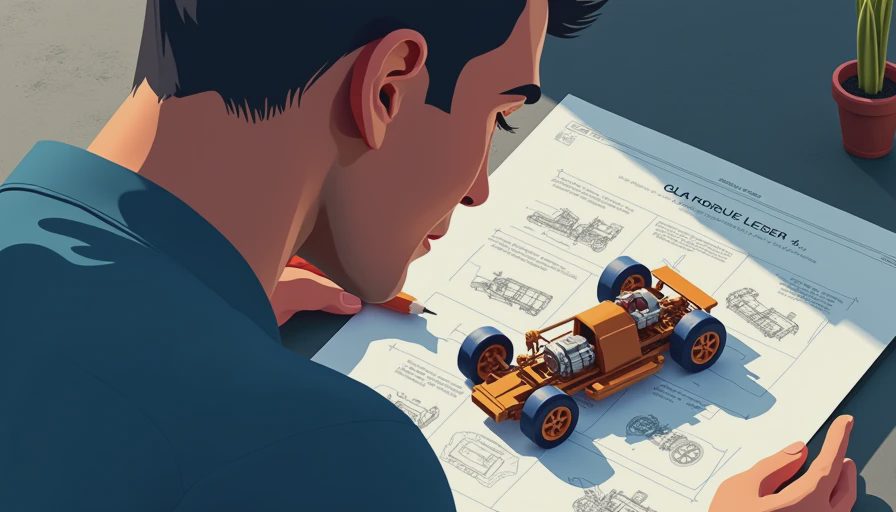
Not every set of rotisserie plans you find online is worth the download time. The best car rotisserie plans come with detailed dimensional drawings, material specifications, and step-by-step assembly instructions. Look for plans that specify steel grade and wall thickness—most safe rotisseries use 2-inch by 3-inch rectangular tubing with at least 0.120-inch wall. The plans should also include a full bill of materials with exact cut lengths and a list of hardware. Pay attention to how the pivot points are designed: a simple pin-in-hole system works, but it needs to be robust enough to hold the car at any angle. Also, check that the plans show how to mount the body to the rotisserie—whether using rubber bumpers on the pinch welds or custom brackets that bolt to engine mount points. A good set will also include safety features like lock pins or chain stops so the car cannot rotate unexpectedly while you are working under it.
Common Mistakes When Following Rotisserie Plans
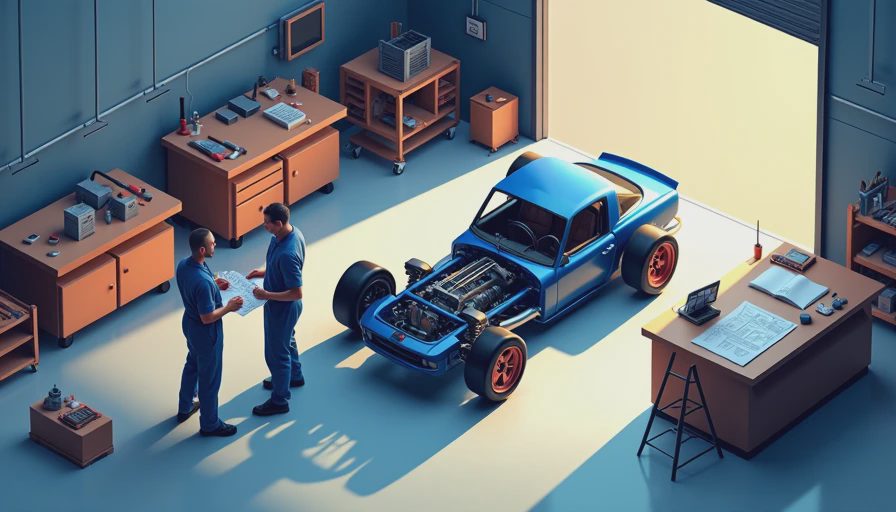
Even with solid plans, builders make errors that turn a rotisserie into a liability. The most common mistake is using thinner steel to save money. Lightweight metal may flex or even fail under the weight of a complete vehicle body—especially on a full-frame car. Another frequent issue is poor welding—lack of penetration or skipped beads at critical joints. If you are not a confident welder, have a professional run the structural welds at the pivot and caster mounts. Center of gravity miscalculation is another pitfall. Plans that assume a generic balance point may not work for a car with a heavy engine bay or a long tail. Always test the rotisserie with no load first, then slowly rotate a partially loaded frame before adding the entire body. Finally, many plans skimp on bracing. A rotisserie designed only for a compact unibody car may not handle a full-frame classic without additional cross bracing.
How to Evaluate Plans Before Cutting Metal
Before you order steel, evaluate the plans critically. Check who created them—are they a professional fabricator or a hobbyist sharing a one-off design? Look for reviews or forum threads from people who have built that exact set of plans. Actual photos of completed builds are worth more than CAD renderings. Also, confirm that the plans include notes on safety margins—things like required weld sizes, bolt grades (avoid Grade 2 hardware), and suggested caster load ratings. If the plans are free or very cheap, they may lack detail. Compare them to paid plans from known restoration suppliers. Some of the best plans come from automotive engineering books or from builders with a proven track record in frame-off restorations. At a minimum, you should be able to calculate the expected weight of your car body and verify that the rotisserie design has a safety factor of at least 3:1 relative to that weight.
Final Thoughts on Building vs Buying
Building your own rotisserie from car rotisserie plans is a project that can save real money and give you a tool tailored to your restoration needs. But it is not a weekend job for a beginner welder. You need at least intermediate fabrication skills, a solid understanding of geometry, and the discipline to follow the plans exactly. If you would rather spend your time restoring sheet metal than building shop equipment, a commercial rotisserie is the safer route. Either way, the rotisserie is a tool you will use for months or years, so cheaping out on the plans or the build materials is a false economy. One structural failure on a rotisserie can ruin a body shell and send you to the hospital. That sets the whole restoration back further than the money saved by building your own. Choose the path that fits your skill level and be honest about what you can pull off.



No notes yet — write the first.