If you're deep into a collision repair or restoration, you've likely hit the debate: epoxy primer vs urethane primer. What does the paperwork actually show? Your body shop's estimate lists a primer, but which one is it, and does it matter? It matters a lot. The primer layer is the foundation of your paint job—and in structural repair, it's the barrier between bare metal and the elements. Understanding the difference between epoxy primer and urethane primer can save you from corrosion, adhesion failure, and a respray down the road.
Adhesion and Corrosion Protection
Epoxy primer is the gold standard for bare metal. It chemically bonds to the substrate, creating a tough, moisture-resistant barrier. In accident repair, where you have exposed steel or aluminum after dent removal or panel replacement, epoxy primer is your first line of defense against rust. Urethane primer, on the other hand, is a sealer or filler primer. It's more flexible and sands easily, but it doesn't have the same anti-corrosion properties. If a shop uses urethane directly over bare metal, you're risking long-term corrosion. For structural repairs, insist on epoxy primer on any bare metal first.
Sandability and Topcoat Compatibility
Urethane primer sands smoother and faster, which is why many painters prefer it for blocking and leveling. It fills minor scratches and creates a uniform surface for the color coat. Epoxy primer is harder and more difficult to sand, but it provides a stronger foundation. Many professionals apply a thin coat of epoxy primer over bare metal, then a urethane primer-surfacer on top for sandability. That combination gives you the best of both worlds: corrosion resistance and a smooth finish. If your repair invoice shows only one primer type, ask the shop why.
Cost and Application Differences
Epoxy primer is generally more expensive per quart and has a shorter pot life once mixed. Urethane primer is cheaper, easier to spray, and has a longer working time. However, the cost difference is negligible compared to the risk of a failed paint job. In a collision repair, the labor to strip and redo a peeling or blistering paint job far outweighs the primer savings. Most reputable body shops use epoxy primer as standard practice on bare metal, especially on safety-critical areas like unibody rails, shock towers, or repaired quarter panels.
When to Use Each Primer
Use epoxy primer when:
- You have bare metal from welding, grinding, or panel replacement
- You need corrosion protection before body filler or topcoat
- The vehicle will sit for weeks before painting (epoxy seals the metal)
Use urethane primer when:
- You're priming over existing paint or epoxy primer
- You need to sand and level the surface for a perfect finish
- You're using a urethane-based topcoat (compatible chemistry)
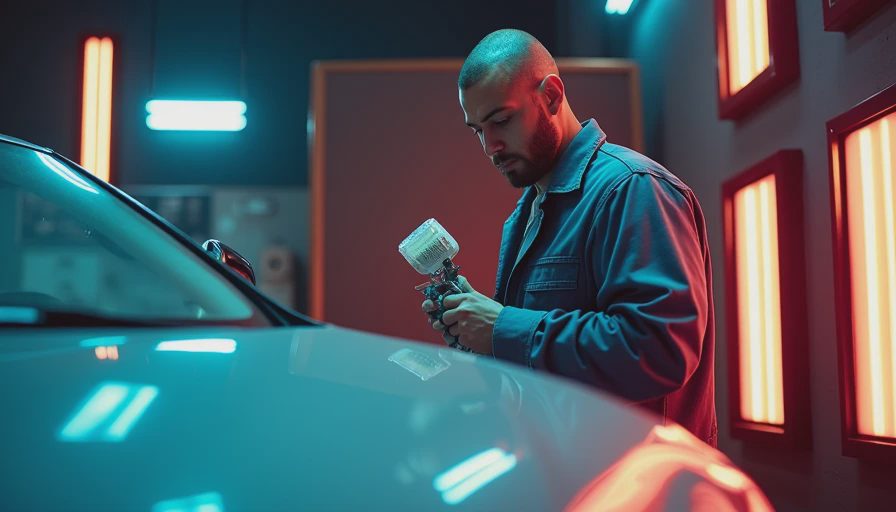
Many professional collision repair sequences go: bare metal → epoxy primer → block sand → urethane primer-surfacer → guide coat → topcoat. Skipping the epoxy step is a red flag. Cosmetic clean is not structurally clean, and a single moisture bubble under the paint can turn into a rust blister within a year.
Real-World Example: A Case File
We saw a 2018 Honda Accord come through the forum after a rear-end repair. The shop stated "primed and painted" on the invoice. The owner assumed it was done right, but within six months, bubbles appeared near the welded quarter panel. Inspection revealed no epoxy primer was used—just a direct application of urethane primer over bare weld zones. The result? Remedial repair cost over $1,200. Moral of the story: what does the paperwork actually show? If it doesn't specify epoxy primer, ask.
Frequently Asked Questions About Epoxy vs Urethane Primer
**Q: Can I apply urethane primer directly over bare metal?**
A: Technically yes, but it's not recommended. In the debate of epoxy primer vs urethane primer, using urethane directly over bare metal is a common mistake because urethane lacks the corrosion-inhibiting properties of epoxy. In a repair setting, this can lead to rust under the paint. Always use epoxy primer as the first layer on bare metal, then urethane as a surfacer if needed.
**Q: How do I know which primer my body shop used?**
A: Ask to see the product label or ask for the exact primer name on the invoice. Many shops list "primer" generically. If the invoice doesn't specify epoxy, assume it's urethane. For collision repairs, insist on epoxy primer for any bare metal areas and confirm it in writing. This small step can prevent costly repaints later.
**Q: Does epoxy primer require a topcoat within a certain time?**
A: Yes, epoxy primer has a "recoat window." Most epoxies can be topcoated within 24-48 hours or after sanding if fully cured. Some formulations allow topcoating after a full cure (72+ hours). Always check the manufacturer's instructions for your specific product. If you exceed the window, you may need to sand and reapply epoxy primer or use a compatible sealer.
Final Verdict
For any collision repair involving bare metal, epoxy primer is non-negotiable. Urethane primer is a fine topcoat filler, but it's not a corrosion barrier. The question isn't whether it looks fixed—it's what was used under the paint. If your shop tries to save a few dollars by skipping epoxy, walk away or demand a written change order. Your car's long-term health depends on it.

No notes yet — write the first.