When you’re deep into an auto body repair, the choice between polyurethane primer vs epoxy primer can make or break the job. I've pulled paint off more panels than I care to count, and I’ve seen the fallout of grabbing the wrong can. This isn’t about brand loyalty—it’s about what the repair actually needs. Here’s what the evidence says.
What Epoxy Primer Brings to the Table
Epoxy primer is the workhorse of structural repair. It bonds chemically to bare metal, fiberglass, and even OEM coatings if scuffed properly. In our shop, we use epoxy when we’ve cut, pulled, or welded—anywhere bare metal is exposed. It seals out moisture and creates a rock-hard foundation that resists corrosion from day one. The flip side? It’s tough to sand. If you need a perfectly smooth surface for a high-gloss topcoat, epoxy alone won’t get you there without heavy blocking.
A few real numbers: a quart of quality epoxy like SPI Epoxy or PPG DPLF runs $40–$70. You’ll get about 4–6 square feet of coverage per mixed quart at a typical 2–3 mil dry film thickness. That’s not cheap, but for structural panels it’s non-negotiable.
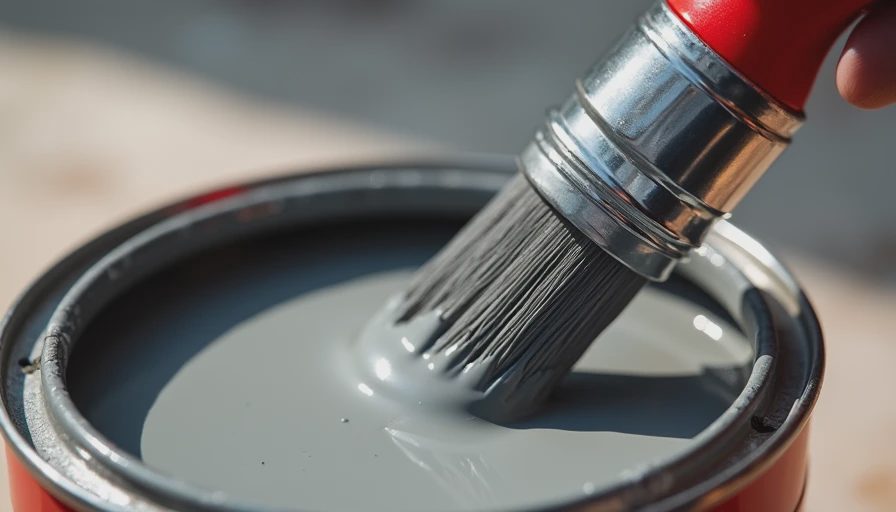
What Polyurethane Primer Offers
Polyurethane primer, often called urethane primer, is the finishing specialist. It sprays on smooth, sands easily, and fills minor scratches and pinholes that epoxy leaves behind. Most modern polyurethane primers are high-build—they can be applied thicker to level uneven surfaces. But here’s the catch: they don’t bond to bare metal. Polyurethane primer needs a sealed surface—typically epoxy or a wash primer—to stick long-term. If you spray it directly on steel, expect peeling within a year.
Cost-wise, a quart of a decent polyurethane primer like Sherwin-Williams Ultra-Fill or Eastwood High-Build runs $35–$55. Coverage is similar to epoxy, but you’ll use more product if you’re building thickness.
Polyurethane Primer vs Epoxy Primer: Key Differences
Let’s put them head-to-head. The table below summarizes what matters in real repair scenarios.
| Property | Epoxy Primer | Polyurethane Primer |
|----------|--------------|---------------------|
| Adhesion to bare metal | Excellent (chemical bond) | Poor (needs sealer) |
| Corrosion resistance | Outstanding | Moderate |
| Sandability | Very difficult | Easy |
| Fill ability | Low (1–2 mils) | High (can apply 5+ mils) |
| Topcoat compatibility | Most paints; may need scuff | Excellent |
In short: epoxy is for structure; polyurethane is for cosmetics. The best repairs use both—epoxy as a corrosion barrier, then polyurethane as a sandable filler.
Real-World Examples from CrashFile Garage
I’ve got two case files that illustrate this. First, a 2018 Ford F-150 that took a hit to the left quarter panel. The shop cut out the damaged section and welded in a new panel. They applied two coats of epoxy primer over the welds and bare metal. That was the right call—any moisture trapped under the repair would’ve started rust in six months. The policyholder’s invoice showed the epoxy line item, and the repair held up fine.
Second case: a 2020 Honda Civic with a dent in the rear door. The repair involved filler and blocking. The shop used polyurethane primer over the filler, then blocked and painted. The door was cosmetically clean, but the underlying metal wasn’t sealed—just filler and polyurethane. Two years later, the door showed rust blisters around the repair. That’s the risk when you skip the epoxy.
Insurance and Repair Quality Implications
What does your insurance paperwork actually show? If the adjuster approved only one coat of primer, it might be polyurethane over bare metal—a recipe for future corrosion claims. Ask your shop: “Was epoxy used on any bare metal?” If they can’t show you the invoice line, that’s a red flag. A proper repair should have epoxy on any exposed metal, even if it’s under filler.
From a diminished value standpoint, a repair that skipped epoxy is worth less. A car with documented epoxy sealing holds its resale value better than one that relied on polyurethane alone.
Which Primer Should You Choose?
For any repair that exposes bare metal—welds, cuts, stripped panels—start with epoxy primer. It’s the foundation. Then, if you need a smooth surface for painting, go over it with a high-build polyurethane primer. That combo gives you the best of both worlds: corrosion protection and a sandable finish.
If you’re just touching up a scuffed panel with no bare metal exposed, polyurethane primer alone can work, provided you use a proper sealer underneath. But for structural integrity, don’t cut corners. The evidence is clear: polyurethane primer vs epoxy primer isn’t a competition—it’s a sequence.
Check your repair invoice. If it doesn’t mention epoxy, ask why. Cosmetically clean is not structurally clean.





No notes yet — write the first.