If your car has been through a serious collision repair, the final step is often clear coat spraying. This transparent topcoat protects the paint and gives the finish its gloss. But not all clear coat spraying is equal. A rushed or poorly done job can lead to peeling, cloudiness, or orange peel texture. Here’s what you need to know to inspect the clear coat after repair.
What Is Clear Coat Spraying and Why Does It Matter?
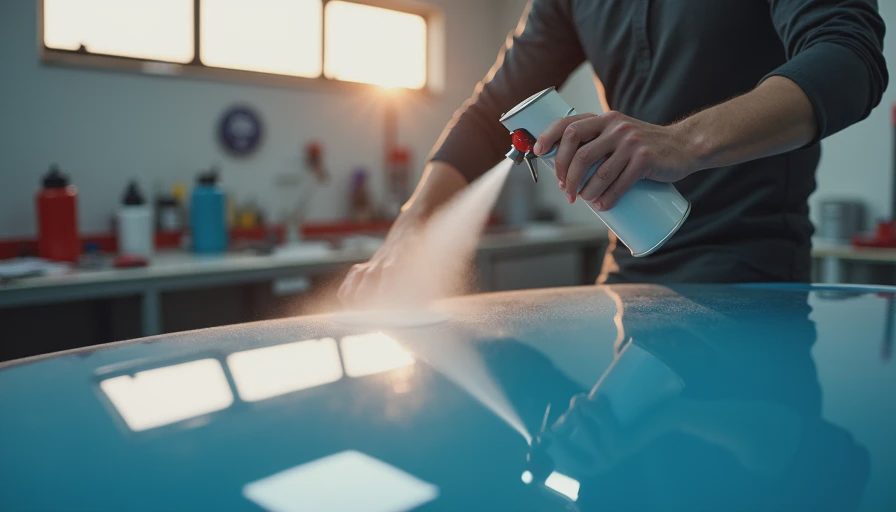
Clear coat spraying is the application of a clear urethane layer over the base color coat. This layer provides UV protection, prevents fading, and seals the color coat from moisture and chemicals. Modern automotive finishes depend on a high-quality clear coat for durability. In a collision repair, the clear coat must be applied evenly and with the correct thickness (typically 1.5–2.0 mils) to match the factory finish. If the spraying is done in a dusty booth, the clear can pick up dirt nibs. If the gun is held too far, the finish may be dry and pebbly. If too close, you get runs. A professional body shop will use a paint thickness gauge to confirm consistency. The curing process is equally critical; some clears require baking at specific temperatures to achieve full hardness. Skipping this step can lead to premature failure.
How to Spot a Bad Clear Coat Job
Look at the repaired panel in direct sunlight from an angle. Orange peel (a dimpled texture) is common but should be minimal. Runs or sags indicate too much material was applied. Dirt or dust trapped in the clear is a sign of poor booth filtration. Soft clear that dents easily means it wasn't allowed to cure long enough. Also check for overspray on adjacent panels, weatherstripping, or glass. A meticulous clear coat spraying job will have clean edges and no tape lines. If you see any of these flaws, the repair isn't finished. Another red flag is a cloudy or hazy finish, which can result from moisture contamination or improper mixing. Don't accept the car until these issues are resolved.
The Impact on Resale Value
Paintwork quality is one of the top three complaints in used car evaluations. A vehicle with a botched clear coat spraying job can lose hundreds to thousands of dollars in resale value. Potential buyers will notice mismatched gloss, peeling clear around edges, or a cloudy finish. Even if the structural repair was perfect, a bad paint job screams "cut corners." When you file a diminished value claim, the quality of the clear coat is part of the appraisal. Insurers may discount the value if the paint work is substandard. For example, a $3,000 repair with a poor clear coat might result in a $1,500 diminished value hit. Getting the clear coat right preserves the car's worth.
Common Clear Coat Spraying Mistakes in Collision Repair
Even experienced painters can make errors. One frequent mistake is rushing the flash time between coats, causing solvent pop (tiny craters in the clear). Another is using incompatible products—mixing brands or using a clear coat not designed for urethane base. Warm weather accelerates drying but can also cause blush (moisture entrapment). Cold weather slows curing, leading to a dull finish. Some shops skip the sealer or primer steps to save time, which can cause the clear to adhere poorly. Always ask the shop about their process and the materials they use. A transparent shop will share the product data sheets.
Tips for Verifying a Proper Clear Coat Job
Before accepting the repair, ask the shop about their clear coat spraying process. Did they use a quality urethane clear (e.g., PPG, Sikkens, Glasurit)? Did they bake the paint at the correct temperature? Inspect the repair under good lighting. Run your hand across the panel—it should feel slick, not rough. Use a paint thickness gauge if you have one; readings should be consistent with adjacent original panels. Check for color match in multiple lighting conditions. Also test the hardness: a properly cured clear coat won't scratch easily with a fingernail. If anything seems off, don't sign off on the repair. Consider getting a second opinion from a paint specialist before releasing the final insurance payment.
Clear Coat Spraying and Your Insurance Claim
Your insurance company may not pay for a respray if the clear coat work is acceptable but not perfect. However, if the clear coat is clearly defective, you can push for a redo. Document all flaws with photos and request a third-party inspection if the shop refuses. Some states allow you to demand a perfect match to the original finish. Remember: clear coat spraying is part of the repair, not an optional extra. Hold the shop accountable for a professional result. If they resist, file a complaint with your state's Department of Insurance or Bureau of Automotive Repair. A proper clear coat spraying job is not just about appearance—it protects the underlying repair and your investment.
By paying close attention to the clear coat, you ensure your car leaves the shop looking and performing as it should. Don't let a poor final step ruin an otherwise good repair.

No notes yet — write the first.