If you’ve ever had a car repaired after a collision, you know the paint job is the most visible part of the work. But not all paint jobs are equal. One technique that separates quality repairs from hasty ones is **edge mapping paint**. Without it, you risk overspray, visible tape lines, and a poor match that screams “repainted.” In this article, we’ll explain what this technique is, why it matters for your resale value, and how to verify your shop used it.
What Is Edge Mapping Paint in Collision Repair?
Edge mapping paint is a process where the painter uses fine-line tape or a mapping tool to define the exact boundary of the repair area on the panel. Instead of painting the entire panel or a large area, the paint is applied only up to the tape edge, then blended into the surrounding clear coat. This technique reduces the risk of a hard paint edge or a halo effect. It’s commonly used on panels like doors, fenders, and quarter panels where a blend panel approach is needed. When done correctly, the result is a finish indistinguishable from factory paint. The key is that the tape is placed along a natural body line or a flat surface where the transition is hidden. A good painter will map the edge with care, often using a flexible ruler to follow curves. This technique is a hallmark of a top-tier body shop.

How Edge Mapping Paint Affects Your Car’s Resale Value
A poor paint job can slash your car’s resale value by thousands of dollars. Buyers can spot uneven paint, overspray on trim, and mismatched color with a glance. Edge mapping paint helps avoid these red flags. When the paint is mapped and blended correctly, the repair is invisible. A car with a seamless paint job commands a higher price on the used market. According to industry estimates, a proper blend can preserve up to 80% of the car’s pre-accident value, while a flawed repaint might only retain 60% or less. Insurance companies often cover the cost of a quality repair, but some shops cut corners by skipping this mapping process. They paint a larger area with less precision, which saves time but compromises quality. As a car owner, you should insist on proper edge mapping in your repair estimate. If the shop refuses or claims it’s unnecessary, take your business elsewhere. The long-term financial impact is significant.
How to Check If Your Shop Used Proper Mapping
After the repair, inspect the painted panels carefully. Use a strong halogen or LED work light and look at the panel from different angles. Key signs of a good mapping job:
- No visible tape lines or ridges at the edge of the repair.
- The paint transitions smoothly from the new area to the old.
- There is no overspray on adjacent panels, rubber seals, or glass.
- Run your fingertips along the panel surface — you should feel no discontinuity.
You can also ask the shop for a paint repair log. Many quality shops document the mapping process. If you see tape lines under direct light, that suggests the shop did not use proper mapping techniques. In that case, you have grounds to request a repaint. Your insurance may cover the cost if the original repair was substandard.
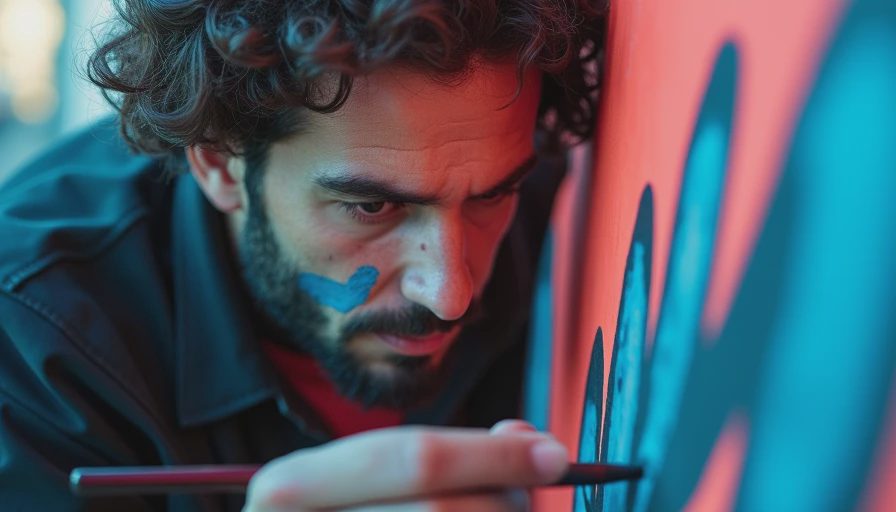
The Difference Between Mapping and Standard Paint Jobs
A standard paint job often involves painting the entire panel or a large section without precise mapping. This can lead to a “blend” that is actually a full panel repaint, which may not match the adjacent panels in color or texture. The mapping approach, on the other hand, targets only the damaged area and blends into the surrounding clear coat. The result is a more localized repair that preserves the original paint for the rest of the panel. This not only looks better but also allows for easier future repairs if another accident occurs. Standard jobs may also use less expensive materials and skip the careful masking required for precise mapping. The difference is evident in the final appearance: mapped paint has no hard lines, while standard paint often shows a faint outline where the paint ends.
Why Some Shops Skip This Technique (and Why You Should Care)
The reason is simple: time and money. Precise mapping requires extra preparation time, specialized tapes, and a skilled painter. Some shops prioritize throughput and cut corners. They may apply paint over a larger area to mask imperfections or rush the blending process. This can result in a “blend failure” where the paint becomes visible after a few months of exposure to sunlight and car washes. If you care about your car’s appearance and resale, you should not accept a repair that skips this crucial step. Ask your shop explicitly: “Will you use edge mapping paint on my car?” A reputable shop will say yes and explain their process. If they hesitate, consider it a red flag. In the long run, the small extra cost of thorough paint mapping is worth it for a finish that lasts.
In conclusion, proper paint mapping is a crucial step in high-quality collision repair. It ensures a seamless finish that preserves your car’s value and appearance. When you take your car to a body shop, demand this technique. Your wallet — and your car — will thank you.


No notes yet — write the first.