If you've ever tried to paint over plastic chrome trim after a collision repair or a restoration, you probably know the frustration. That shiny, metallic-looking coating is actually a vacuum-metalized layer on top of plastic. It's not paint-friendly. The clearcoat and base color often peel off in sheets within months if the prep is rushed. This guide walks you through the right way to paint over plastic chrome so the finish stays put.
Why Plastic Chrome Is Tricky to Paint
Plastic chrome isn't chrome at all. It's plastic, usually ABS or polypropylene, with a thin layer of aluminum or other metal deposited under vacuum (vacuum metalizing). Then a clear topcoat protects that metal. When you try to paint over plastic chrome, the smooth, slick surface doesn't give the new paint anything to grip. Adhesion failure is almost guaranteed unless you abrade or remove that chrome layer first. Even if the plastic chrome part survived an accident with no cracks, the damaged clearcoat or scratches mean you can't just spray over it and walk away.
Step 1: Clean and Degrease Thoroughly
Start with a clean part. Use soap and water to remove road grime, then wipe with a solvent like wax and grease remover or isopropyl alcohol. Do not skip this step — oils from handling can contaminate the surface and ruin adhesion later. If the part has any remaining wax or silicone from previous detailing, use a dedicated silicone remover.
Step 2: Sand or Strip the Chrome Layer
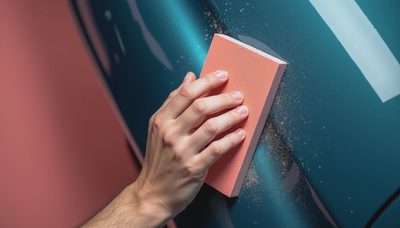
This is where most DIYers fail. You must break the shiny chrome surface. Wet-sand with 400-600 grit sandpaper to scuff the entire area. If you want the best results, strip the chrome completely using a chemical stripper designed for metalized plastics — something like SEM Soap or a specialized plastic-chrome remover. Sanding alone can work, but the chrome layer can still flex and cause cracking. Stripping removes that risk. After sanding or stripping, clean again with alcohol.

Step 3: Apply Adhesion Promoter
For plastic parts, especially polypropylene or TPO, standard primer won't bond well. You need an adhesion promoter formulated for plastics. Brands like Bulldog, SEM, or Dupli-Color make aerosol adhesion promoters. Spray a light, even coat over the entire surface. Wait the recommended flash time — usually 5-10 minutes — before moving to primer. Do not skip this even if the part is ABS; adhesion promoter gives extra insurance against peeling.
Step 4: Primer, Basecoat, Clearcoat
Use a high-build primer suitable for flexible parts. Let it dry and sand with 600-800 grit. Then apply your color basecoat — urethane auto paint works best. Follow the paint's instructions for flash time between coats. After the color is fully dry (or force-dried under a heat lamp), spray clearcoat. A two-part urethane clear with UV protection will last years. Make sure all coats overlap beyond the repair area to blend the paint into the surrounding trim.
Common Mistakes That Cause Peeling
Rushing the prep is the top reason paint over plastic chrome fails. Not using adhesion promoter comes second. Another mistake: painting in cold or humid weather, which causes blushing and poor cure. Also, applying paint too thick per coat can cause runs that later crack. And finally, reassembling the trim before the clearcoat has fully hardened — wait at least 24 hours or follow the hardener's cure time.
Should You DIY or Farm It Out?
If you have a spray gun, compressed air, and a clean booth or garage, you can get professional results. But for most owners, especially after an accident repair where the trim is off the car anyway, a body shop will paint it while they're doing the rest. Cost to have a shop paint a single piece of plastic chrome trim is usually $75-$150 per piece — depending on color complexity. DIY supplies (paint, primer, promoter, sandpaper) run about $40-$80. If you only have one piece and no equipment, the shop is the easier path. If you're restoring a whole set or doing multiple panels, DIY saves money but demands patience.

Tools and Materials Checklist: What You'll Need
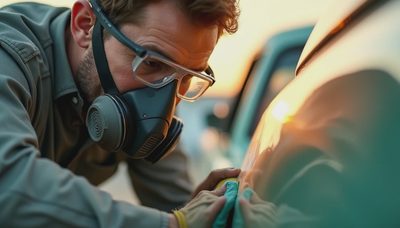
Before you begin painting over plastic chrome, gather everything you need. For the stripping phase, you will need a chemical stripper such as SEM Soap or a dedicated plastic-chrome remover, 400-600 grit wet-sandpaper, and a clean microfiber cloth. For surface prep, have wax and grease remover, isopropyl alcohol, and tack cloths on hand. Adhesion promoter from Bulldog, SEM, or Dupli-Color is essential. For painting, choose a high-build primer for flexible plastics, a urethane basecoat in your color, and a two-part clearcoat with UV inhibitors. You will also need a spray gun or aerosol cans, a respirator, and proper ventilation. If you are working on multiple pieces, consider a heat lamp to force-dry clearcoat between coats. Having all materials ready before you start minimizes drying time and prevents contamination. Remember, the key to a durable finish when you paint over plastic chrome is not just the products but the sequence — strip, clean, promote, prime, paint, clear. Each step relies on the previous one. If you are doing this as part of a collision repair, your adjuster may include painting trim in the estimate. Some insurers cover refinishing of plastic chrome if the part is undamaged but the finish was compromised by the accident. Check your policy or ask your shop.
The Bottom Line on Painting Plastic Chrome
Painting over plastic chrome is entirely doable, but it's not a quick spray-and-go job. The chrome layer must be broken or removed, proper adhesion promoter must be used, and the paint system must be flexible enough to handle the plastic's expansion. In a crash-file context, if you're repairing a car and the plastic chrome trim is intact but scratched or faded, painting over plastic chrome can restore the look without replacing the part. Just don't skip the prep, or you'll be doing it again in a year.
Remember: cosmetically clean is not structurally clean. But when done right, painted plastic chrome can look as good as new — and outlast the factory clearcoat if the prep was thorough.
No notes yet — write the first.