If your car has been through collision repair, you might have heard the term "seam sealant" thrown around. But what is it, and why should you care? Seam sealant car applications are the flexible, weatherproof coatings applied to overlapping metal panels—like door jambs, under the hood, and inside the trunk. Its primary job is to keep moisture and debris out of the gaps between panels, preventing rust from creeping into the structure. After a repair, proper seam sealant car use is critical because bare metal and welded joints are prime targets for corrosion. The question isn't whether the repair looks cosmetically clean—it's whether the sealant was applied correctly to protect the car long-term.
What Exactly Is Seam Sealant?
Seam sealant is a thick, paintable compound that bridges the seams where two metal panels meet. Factory-applied sealant is carefully extruded in a consistent bead, then painted to match. Aftermarket seam sealant car products come in brushable, sprayable, or cartridge forms. The right choice depends on the location and the material being sealed. For example, a urethane-based sealant works well for structural joints, while a latex-acrylic might be used for interior cabin seams. In collision repair, the technician must match the original sealant type and application pattern—otherwise, the repair may not resist water intrusion or flex with the body over time.
Why Seam Sealant Matters After Collision Repair
After a crash, the repair process often involves cutting out damaged metal and welding in new panels. Those welds and the gaps between fresh metal and original panels need to be sealed. Without proper seam sealant car application, moisture can wick into the joint, leading to corrosion that spreads under the paint. On unibody cars, that can compromise the structural integrity of critical pillars and rails. Even if the car looks fine after paint, a few years of road salt and rain can turn an unsealed seam into a rusty weak point. That's not just an eyesore—it can affect crash performance and resale value. The evidence is in the repair invoice: look for line items like "seam sealant application" or "body sealing." If they're missing, ask why.
Signs Your Car's Seam Sealant Was Done Wrong
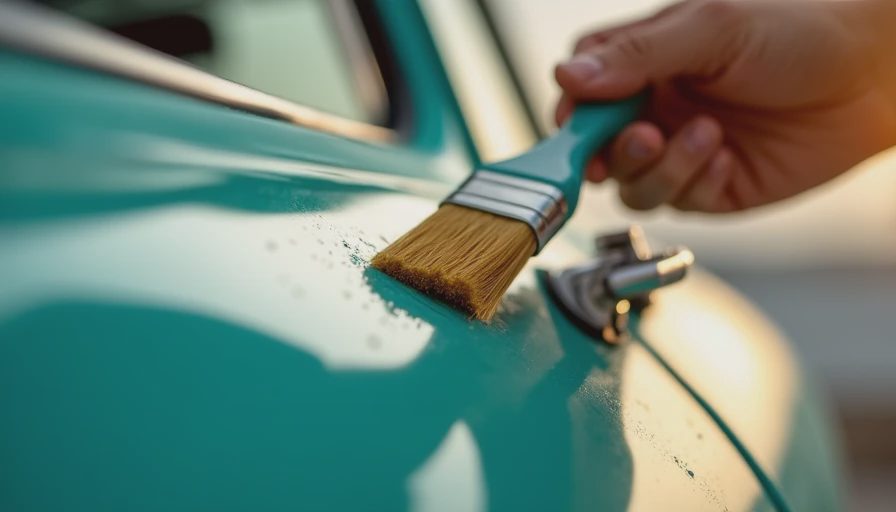
How can you tell if a repair shop did a sloppy job with seam sealant? Start by running your hand along the seams inside the door jambs, trunk lid, and under the hood. Factory sealant is smooth and consistent—usually a single bead that follows the seam exactly. Poorly applied seam sealant car appears uneven, with drips, voids, or thin spots. Sometimes you'll see sealant that was brushed on haphazardly, leaving bare gaps. Another red flag: sealant that's already cracking or peeling within a year of the repair. That means it wasn't formulated for automotive use or wasn't cleaned properly before application. If you can see rust stains bleeding through the paint at a seam, that's a clear sign the sealant failed—and the repair wasn't done right.
How to Inspect and Evaluate Seam Sealant Application
You don't need to be a body shop expert to evaluate seam sealant car work. Here's a simple checklist:
- **Check the door openings**: Open each door and look at the seam where the inner panel meets the outer. The sealant should be a continuous bead, about 1/4 inch wide, with no breaks.
- **Look at the underbody**: If you have access to a lift, inspect the floor pan seams and rocker panels. Aftermarket sealant is often darker or shinier than factory and may be uneven.
- **Check the trunk and hood gutters**: These areas are traps for moisture. Sealant should cover all overlapping panels, with no bare metal visible.
- **Use a moisture test**: A car wash or heavy rain is a good test. After drying, feel along seams for dampness—if water can get in, so can rust.
If you find any issues, take photos and bring them to the repair shop. A reputable shop will correct poor seam sealant application at no charge if it's within the warranty period.
The Cost of Skipping Proper Seam Sealant
Skipping seam sealant is a false economy. A tube of quality seam sealant costs around $10–$20, and professional application adds maybe 30 minutes to a repair. But the damage from not using it can run into the thousands. Rust repair is expensive—cutting out corroded metal, welding in patches, repainting, and resealing. Diminished value from visible rust or a history of poor repair can knock 10–20% off your car's trade-in value. There's also the safety angle: a rusted-out seam in a structural pillar may not hold up in a second crash. The calm, evidence-based answer is that seam sealant is a cheap insurance policy. When reviewing your repair paperwork, check for seam sealant car line items. If they're absent, consider it a red flag and question the shop before accepting the work.
What to Do If You Suspect Poor Seam Sealant
If you've already taken delivery of a repaired car and you spot sealant issues, act quickly. Document the problem with clear photos showing the seam area and the condition. Contact the repair shop and request a redo under warranty. If they refuse, you can escalate to your insurance adjuster—the insurer has a vested interest in the repair being done to industry standards. Many states have laws requiring repairs to return the vehicle to pre-loss condition, which includes factory-equivalent sealing. For a deeper dive, consider posting your case on a forum like CrashFile Garage, where other owners and techs can compare photos and invoices. The more evidence you have, the stronger your position.
Final Take: Don't Overlook Sealant
Seam sealant car repair is one of those behind-the-scenes details that separates a thorough rebuild from a cosmetic touch-up. It's not glamorous, but it's essential. Whether you're shopping for a used repaired car or evaluating your own fix, take a few minutes to inspect the seams. It could save you from a rust nightmare down the road. And if you're unsure, bring in someone who knows what to look for. Your car—and your wallet—will thank you.





No notes yet — write the first.