If you're in the middle of a collision repair or a full respray, the choice between 1k vs 2k clear coat isn't just a trivial detail—it affects how the paint holds up, how the car looks years down the road, and even how much it's worth when you sell it. We've seen plenty of cases where a shop saved a few bucks on the cheap stuff and the owner was left with peeling, yellowing, or soft clear coat within a couple of years. Here's what you need to know.
What Are 1k and 2k Clear Coats?
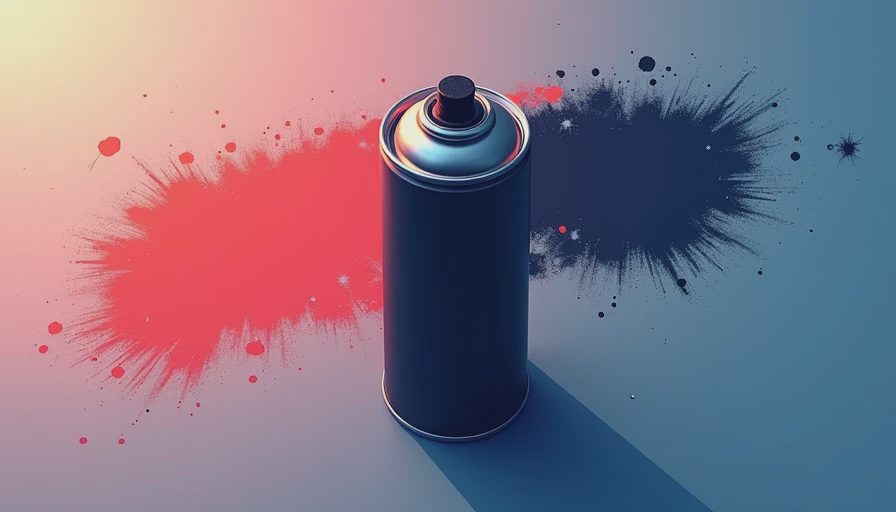
1k clear coat (one-component) is a single-stage product that comes pre-mixed. It dries by solvent evaporation, meaning it doesn't chemically cure. It's the kind of clear you find in spray cans or budget-oriented paint systems. Easy to apply, no mixing required, but it's soft and more prone to damage from UV, chemicals, and abrasion.
2k clear coat (two-component) requires a hardener (isocyanate) that triggers a chemical cure. This cross-linking produces a harder, more durable finish that resists scratching, fading, and solvents. Almost every OEM clear coat is a 2k system, and professional body shops typically use 2k for lasting results.
Durability and Longevity: Why 2k Wins
Get ready for some straight talk: a 2k clear coat will outlast a 1k clear coat by a wide margin. In real-world conditions, a properly applied 2k clear can go 5–10 years before showing significant wear—even longer if maintained. A 1k clear might look great for the first year, but by year three you're often looking at fading, checking, or failure around edges. We've seen 1k clears on hoods turn chalky in 18 months of sun exposure.
If you live in a harsh climate (Arizona sun, Northeast road salt, coastal salt spray), 2k is a no-brainer. It's also far more resistant to gas spills, bird droppings, and bug splatters. For a daily driver that sees parking lots and car washes, 2k clear is the only way to keep the finish from looking beat after a few years.
Application and Cost Differences
1k clear is easier to shoot—no mixing, no pot life worries, less risk for the inexperienced. That's why DIYers and budget shops lean on it. Cost: about $20–40 per quart for a basic 1k clear. A 2k clear runs $50–100 per quart (including hardener), but coverage is similar. The real cost difference is small in context of a $2,000+ paint job.
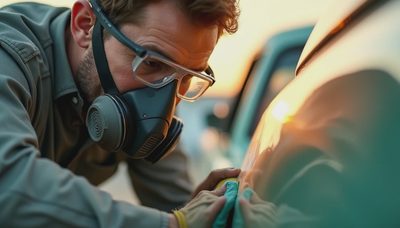
However, 2k clear requires proper personal protective equipment (PPE) because isocyanates are hazardous. If a shop isn't using a fresh-air respirator and proper ventilation, they're cutting corners—and you might wonder what else they cut. Ask what clear coat they plan to use; if they say "just the standard stuff," push for details.
Impact on Resale and Insurance Claims
When you file an insurance claim for a repaint, the insurer owes you for a repair that matches the pre-accident condition. That means using OEM-quality materials—almost always 2k clear. If a shop uses 1k clear without telling you, the finish will degrade faster, and you'll see diminished resale value. We've had owners report that buyers flagged premature clear coat failure during inspection, costing them hundreds or thousands on the trade.
If you suspect your shop used a cheap clear, ask for the paint system name and part numbers. Industry giants like PPG, Sherwin-Williams, and Axalta produce both 1k and 2k lines, but their 2k products (like PPG Deltron, Sherwin-Williams ShopLine 2K) are the standard for durability. Documentation from the shop can help you negotiate a diminished value claim if the repair doesn't hold up.
Which One Should You Choose?
For any structural repair or full respray, insist on 2k clear coat. The extra cost is minimal compared to the cost of a redo or the hit to resale value. 1k clear has its place—maybe a touch-up on a bumper cover that's likely to get bumped again, or a temporary fix on a beater car. But for a car you plan to keep or sell, 2k is the smarter investment.
Common Questions About 1k vs 2k Clear Coat
Can I apply 2k clear coat over existing 1k clear?
Technically yes, but only if the 1k layer is fully cured and scuffed properly. However, adhesion risks are higher because 1k clears are softer and may not bond well with 2k. A full strip and respray is safer.
How can I tell which clear coat my shop used?
Ask for the product label or invoice. You can also test a hidden area with a solvent rub—2k clear resists acetone, while 1k softens quickly. But don't damage the paint; ask the shop upfront.
Does the guarantee differ between 1k and 2k?
Reputable shops often offer a 3–5 year warranty on 2k jobs, but only 1 year on 1k. If they won't back their work, that tells you something.
Is 1k clear coat ever OK for a daily driver?
Only if you plan to sell the car within two years or don't care about appearance. For long-term ownership, 2k is strongly recommended.
Don't be afraid to ask your shop what they're spraying. A good shop will explain their choice and show you the can. If they dodge the question or say "it's all the same," that's a red flag. Your repair should look good and last—and the clear coat is what makes that happen.

No notes yet — write the first.