When you're dealing with aluminum body panels on a modern car, the repair process is different than steel. One product that separates a durable repair from a peeling, corrosion-prone mess is aluminum primer self-etching. This specialized primer etches into the aluminum surface, creating a chemical bond that ordinary primers can't achieve. For any shop or DIYer working on aluminum panels—whether it's a hood, fender, or structural component—using the right self-etching primer is not optional. In this guide, we'll cover what it is, why aluminum needs it, how to apply it correctly, and which products are worth your money.
What Is Aluminum Primer Self-Etching?
Self-etching primer contains acid that microscopically etches the metal surface, promoting mechanical adhesion. For aluminum, which naturally forms a tough oxide layer, this etching is critical. Standard primers sit on top of the oxide and often fail. Aluminum primer self-etching chemically bonds with the substrate, providing a foundation for paint that resists peeling and corrosion. It's typically a two-component product (with a catalyst) that you mix just before use. Brands like SEM and Upol offer dedicated versions.
Why Aluminum Requires a Special Primer
Aluminum reacts differently to paint than steel. Its oxide layer is non-porous and slippery. Without etching, paint adhesion is poor. Worse, aluminum can corrode if moisture gets under the paint, causing filiform corrosion—tiny white worms under the finish. Self-etching primer addresses both issues: it etches the oxide and leaves a chemically active coating that prevents corrosion. For structural repairs on vehicles like Ford F-150s, Audi A8s, or Tesla Model S, using aluminum primer self-etching is a bare minimum.
How to Apply Self-Etching Primer on Aluminum Panels
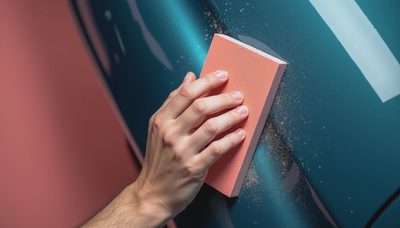
- Sand the aluminum with 180-320 grit to remove any existing coating and rough up the oxide. Avoid using steel wool (can embed particles and cause galvanic corrosion).
- Clean thoroughly with wax and grease remover, then wipe with a tack cloth.
- Mix the self-etching primer per instructions. Most are ready to spray after mixing.
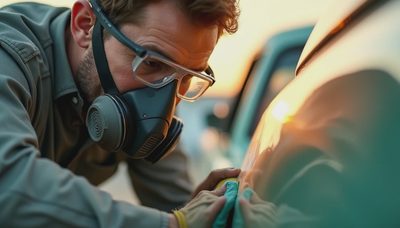
- After cleaning, you're ready to spray your aluminum primer self-etching. Apply 2-3 light coats, allowing flash time between coats. Don't apply too thick; it can cause solvent pop.
- Let it fully cure (usually 30 minutes to 24 hours depending on product and temperature) before applying primer surfacer or topcoat. Some products can be topcoated directly, but for best adhesion, use a dedicated filler primer after the self-etching coat.
Top Self-Etching Primers for Auto Body Repair
- **SEM Self-Etching Primer (Part #39673):** A single-stage aerosol that works well for small repairs. About $15-20 per can. It dries fast and sands easily. Great for patchwork. For a reliable aluminum primer self-etching, consider this.
- **Upol Acid Etch Primer #8:** A 2K product in a spray can that you activate by pushing a button. About $25 per can. Higher corrosion resistance.
- **PPG Deltron DCX400:** A commercial-grade 2K self-etching primer, only available in quart or gallon. Expect $50-80 per quart. Used by collision shops.
- **3M Scotch-Weld DP401:** A two-part brushable primer for hard-to-spray areas. About $30 for a 50ml cartridge. Ideal for jambs or inside panels.
Common Mistakes When Using Aluminum Primer Self-Etching
- **Skipping epoxy primer over the aluminum primer self-etching:** Some think self-etching is enough as a direct-to-metal coating. But on aluminum, a second coat of epoxy primer is recommended for maximum corrosion protection and paint adhesion.
- **Applying too many heavy coats:** Self-etching primer is meant to be thin. Heavy coats can trap solvents and cause adhesion failure.
- **Not waiting long enough to topcoat:** Some self-etching primers require a flash or cure time before paint. Rushing can cause lifting.
- **Using the wrong sanding grit:** Too fine (400+) and the primer has nothing to grip; too coarse (80) leaves scratches that show through. Stick to 180-320.
- **Ignoring humidity:** Self-etching primers are sensitive to moisture. Apply in a dry, well-ventilated area.
Self-Etching vs. Epoxy: Which One Do You Need?
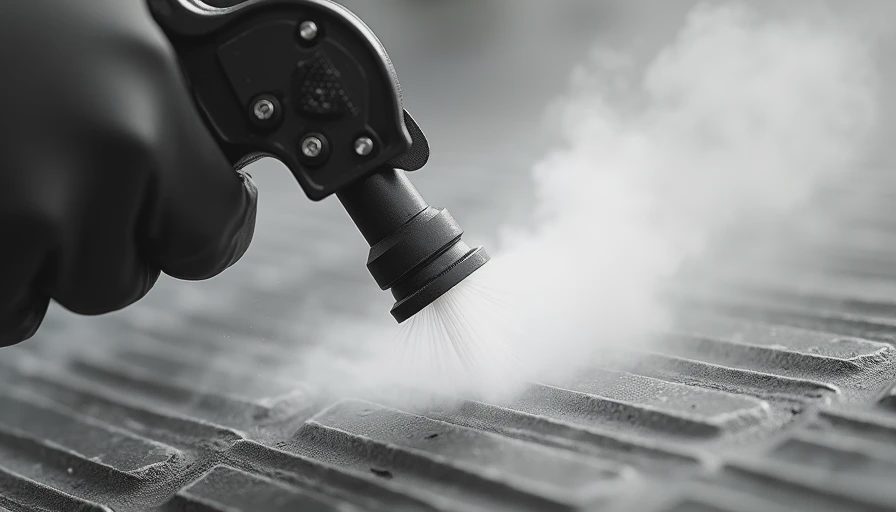
Many DIYers confuse self-etching primer with epoxy primer. On aluminum, the sequence matters: apply self-etching first, then epoxy. Self-etching provides the chemical adhesion; epoxy seals and builds the surface. Skipping either step can lead to failure. For example, on a bare aluminum hood repair, apply a coat of aluminum primer self-etching, let it flash, then apply two coats of high-build epoxy primer. Block-sand, then topcoat. This two-step process costs more in materials but is the only way to ensure longevity. Some modern self-etching primers claim to be direct-to-metal and topcoat-ready, but for collision repair, adding epoxy is still best practice.
Impact on Repair Quality and Resale Value
For a car that has undergone aluminum panel repair, how the primer was applied is often invisible to a buyer—until peeling or corrosion appears. A poorly prepped aluminum repair can lead to catastrophic paint failure within a year. That directly impacts resale value. Conversely, using aluminum primer self-etching correctly adds structural integrity and long-term aesthetics. In the world of crash-file analysis, we often see repair invoices that list a line item reading "aluminum primer self-etching." When present, it's a sign of a thorough repair. When absent, it's a red flag. A car with documented use of proper primer holds its diminished value better.
No notes yet — write the first.