If you ride a sportbike, naked bike, or any modern motorcycle with bodywork, you are already riding on ABS plastic motorcycle fairings. These panels are the standard for OEM bodywork because they strike a specific balance between cost, weight, and crash performance. But what actually happens when they hit the pavement? How do they affect your repair bill, your insurance claim, and your bike's resale value? This guide walks through the hard evidence—what the repair invoices, salvage reports, and road tests really show about ABS plastic motorcycle fairings.
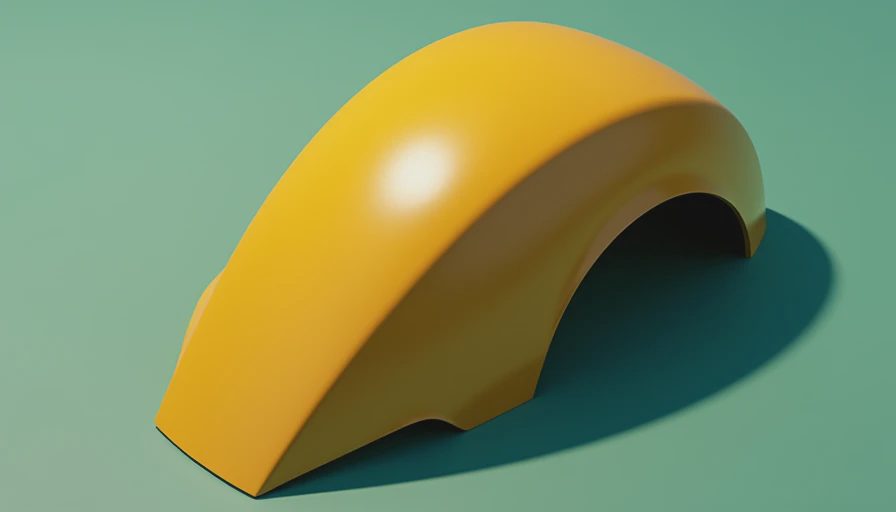
Why ABS Plastic Is the Industry Standard
Acrylonitrile butadiene styrene (ABS) is a thermoplastic that has been used in motorcycle fairings for decades. The material is injection-molded, which allows for complex shapes and precise fitment. Unlike fiberglass, ABS has a degree of flexibility. It can absorb small impacts without cracking, and it doesn't shatter like early brittle plastics. That flexibility also makes ABS easier to drill and trim during installation or modification. Most OEM fairings from Honda, Yamaha, Kawasaki, Suzuki, and Ducati are made from ABS. Aftermarket manufacturers like Auctmarts, Monster Fairings, and NTB also produce ABS plastic motorcycle fairings as replacements. The material's popularity comes down to a simple fact: it is the most cost-effective way to produce bodywork that is durable enough for daily riding but light enough to not kill performance.
How ABS Fairings Behave in a Wreck
When a bike goes down, the fairings are almost always the first point of contact. ABS plastic reacts differently depending on the severity of the impact and the temperature. In a low-speed drop, ABS tends to scuff, gouge, or develop spider-web cracks at the mounting tabs. Those tabs are the weakest point by design—they snap off to dissipate energy before the main panel cracks. In a moderate-speed crash (30–50 mph), ABS fairings often split or tear along stress lines, especially around the nose cone and side panels. The material does not fragment into sharp shards like polycarbonate or nylon, which is a safety benefit. However, once the plastic is torn or deeply gouged, plastic welding or filling is rarely a long-term fix. The structural integrity of the panel is compromised, and the repair will likely crack again under vibration or another minor bump.
Repairing vs Replacing ABS Plastic Fairings
The question every owner faces after a crash is whether to repair the damaged ABS plastic motorcycle fairings or buy new ones. The answer depends on the damage location and your standards. Cosmetic scrapes and small cracks in low-stress areas like the tail section can be repaired with ABS plastic welding and filler. But repairing a cracked side panel or a broken mounting tab near the radiator or engine area is risky. The heat from welding changes the plastic's properties, and the joint may fail at speed. In the case files on CrashFile Garage, we have seen numerous examples where a DIY-repaired fairing came loose on the highway, causing further damage and a safety hazard. The repair cost for a professional plastic weld plus paint often approaches the price of a new aftermarket ABS fairing set. For insurance claims, most adjusters will price replacement rather than repair, because the labor to repair ABS correctly is high and the outcome is uncertain. When you file a claim after an accident, expect the estimate to include new OEM or OEM-equivalent ABS plastic motorcycle fairings. If you go the aftermarket route, check fitment reviews carefully—some Chinese-made ABS sets require modification to line up.
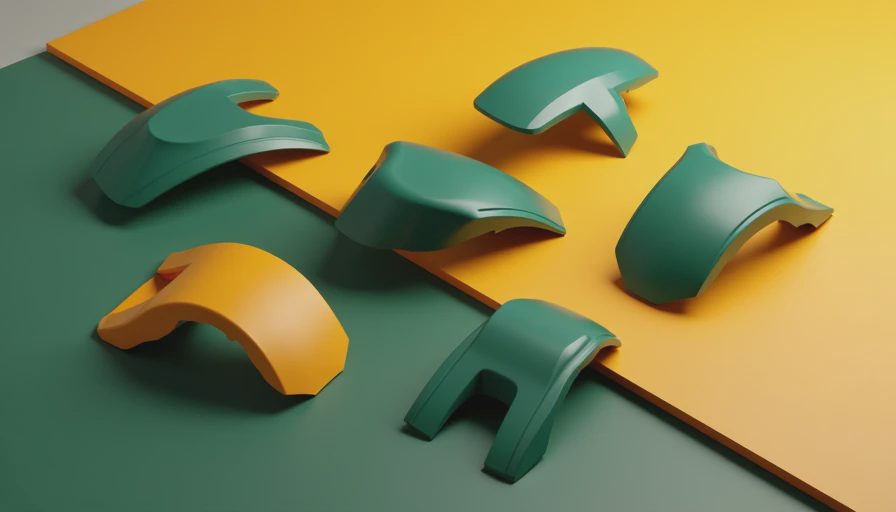
Insurance and Diminished Value with Damaged Fairings
Insurance companies do not treat fairings as purely cosmetic. On a modern bike, fairings house the headlight cluster, turn signals, instrument panel, and sometimes the radiator fan shroud. In a collision, damaged ABS plastic motorcycle fairings can affect the quoted repair total and the vehicle's resale value. A bike that has been down and repaired with non-OEM ABS may see a diminished value of 15–30%, depending on the model and the repair quality. If the fairings are repaired rather than replaced, future buyers and dealers will often note the telltale signs: missing VIN stickers, overspray on the inner surface, or wavy panels. To protect your resale value, always request OEM replacement fairings in an insurance settlement. Some policies offer an OEM endorsement that forces the insurer to use factory parts rather than aftermarket ABS. If you are filing a claim for fairing damage, ask the adjuster for the specific manufacturer of the replacement ABS plastic motorcycle fairings and whether they come pre-drilled and color-matched.
What to Look for When Buying Used ABS Fairings
If you are shopping for used fairings to save money, there are several inspection points specific to ABS plastic motorcycle fairings. First, check the backside of the panel for the ABS injection-molding marks and the manufacturer's logo. Genuine OEM ABS will have smooth, uniform texture and no fiber reinforcement. Aftermarket ABS can vary in thickness—some cheap sets are thin and brittle. Press on the panel; it should flex slightly but not feel flimsy. Look at the mounting tab areas for cracks or repairs. A previously cracked tab that has been plastic-welded will have a different color or texture at the weld line. Also check the edges for warping; ABS can warp if stored in direct sun or heat. Finally, hold the fairing up to light to see if it is uniformly opaque. Thin spots indicate poor molding that will likely crack under stress. Buying used ABS plastic motorcycle fairings from a salvage yard can be a good deal if you verify they came from a bike that was totaled for reasons other than body damage—like a flood or theft recovery. Otherwise, you may be buying someone else's hidden structural problems.
Final Thoughts on ABS Fairings
ABS plastic motorcycle fairings are a practical material for OEM and aftermarket bodywork. They are not indestructible, but they are predictable in crashes, repairable to a point, and relatively affordable to replace. The key is to match your repair strategy to the damage: don't plastic-weld a structural panel, don't accept aftermarket parts that don't fit, and don't let an insurance adjuster convince you that scratched fairings are purely cosmetic. When you look at the paperwork and the physical evidence, ABS fairings are a known quantity. Treat them that way, and your bike will come out of a repair with its structural and financial integrity intact.


No notes yet — write the first.