Chrome Paint for Plastic: A Crash Repair Guide for Car Owners
If you have been through a fender bender or a more serious collision, you know that chrome plastic trim is often the first thing to crack or scuff. Bumper inserts, grille surrounds, mirror caps, and chrome strips on bumpers are usually made of ABS plastic with a vacuum-metalized finish. When that finish gets scratched or flaked off, your car looks rough — and the repair quote can be surprisingly high. That is where chrome paint for plastic comes in. It is a specialized coating that mimics the reflective look of factory chrome without replacing the whole part. Used correctly, it can save you hundreds of dollars and keep your repair out of the insurance supplement pile.
But not all chrome paints are equal, and slapping on a rattle can without proper prep will leave you with a cloudy, peeling mess. This guide walks through what the paperwork should show, how to choose the right product, and what the finished job means for your car’s value and your insurance claim.
Why Plastic Chrome Parts Are Tricky to Repair
Factory chrome on plastic is not paint — it is a thin layer of aluminum deposited in a vacuum chamber, then topcoated with clear. That process creates a mirror finish that chrome paint for plastic tries to approximate. The problem is that the factory layer is extremely thin and adheres differently than paint. Once it is damaged, you cannot just touch up a spot; the whole panel usually needs to be stripped and refinished.
This is where many body shops default to replacing the part. An OEM grille surround for a 2020 Ford F-150 runs about $180, and aftermarket copies come in around $80 to $100. But if you have a $500 deductible and the part is only cosmetically damaged, paying out of pocket for a $100 aftermarket piece might make more sense than filing a claim. That is when you consider painting instead. Chrome paint for plastic is a reasonable alternative if you are willing to put in the labor.
Cosmetically clean is not structurally clean, of course. If the plastic itself is cracked or the mounting tabs are broken, paint will not fix that. But for surface scuffs, peeling, or minor scratches, a good chrome paint job can restore the look at a fraction of the cost.
Choosing the Right Chrome Paint for Plastic
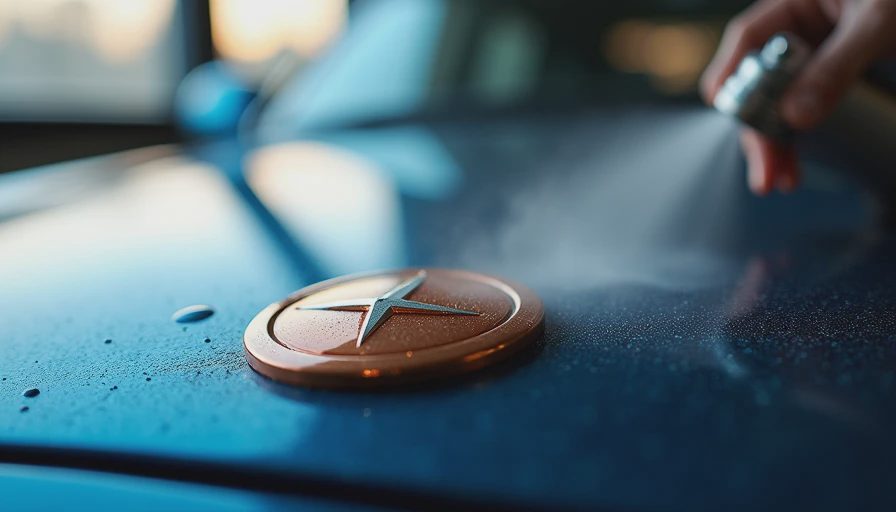
There are two main routes: aerosol cans for DIYers and spray-gun systems for shops. For homeowners or small garage jobs, the best results come from a system that includes a black base coat, a chrome silver metallic, and a clear topcoat. Brands like Dupli-Color, Spraymax, and Rust-Oleum offer products labeled as chrome. Dupli-Color’s “Chrome Effect” spray is popular for trim repairs, but it requires a smooth, primed surface. Spraymax’s 2K clear coat is a good choice for durability because it is catalyzed and resists UV and chemicals better than standard aerosol clears.
The key is the base. Most chrome paints for plastic need a dark glossy base to reflect properly. Some kits come with a dedicated black undercoat. Without it, the chrome looks dull or gray. You also need a plastic adhesion promoter — something like Bulldog or SEM’s plastic prep — to keep the paint from peeling when the part flexes.
One common mistake is buying a one-step “chrome” spray that claims to work on any surface. Those are usually just bright silver paint, not true chrome effect. They will look metallic, not reflective. If you want the mirror-like finish that matches factory trim, invest in a multi-step system.
Application Tips for a Factory Look
Preparation is everything. Start by removing the part from the car — taping off plastic trim on the vehicle is risky because overspray gets everywhere and the edges are hard to mask cleanly. Clean the part with a wax and grease remover, then sand with 400-grit paper to promote adhesion. Apply plastic adhesion promoter, then spray the black base coat in light coats. Let it dry per the instructions.
Now comes the chrome paint for plastic. Hold the can 8 to 10 inches away and spray in smooth, overlapping passes. The goal is an even, wet coat that dries to a reflective shine. Do not try to cover it all in one heavy pass; two or three light coats give better results. After the chrome dries, apply a clear topcoat — at least two coats — to protect the finish from UV and road debris.
Does it look exactly like factory chrome? No, not if you hold it next to a brand-new OEM part. But on the car, at a glance, most people cannot tell the difference. For a 10-foot repair on a daily driver, it is perfectly acceptable. If you are restoring a show car or something with high resale value, consider replacement instead.
Does Chrome Paint Affect Your Insurance Claim?
If you are filing a claim for the accident damage, the adjuster will look at the repair method. Using chrome paint for plastic on a part that is normally replaced could be flagged if the paint job is obvious or if the part still shows damage underneath. Insurance companies typically base the payout on restoring the car to pre-accident condition. If the painted part matches and is durable, it may pass. But if the paint chips quickly or looks off, you risk a diminished value complaint later.
On the other hand, if you are paying out of pocket to avoid a claim, chrome paint for plastic is a smart money move. A full grille replacement might run $200 in parts plus labor, while a $15 can of paint and a few hours of your time can achieve a similar visual result. Just be honest about the quality: a paint repair is not the same as new OEM chrome. When you go to sell the car, a prospective buyer will notice a repainted trim piece, especially if the texture is wrong. Deduct that from your resale price expectations.
Final Verdict: When to Paint and When to Replace
For plastic chrome parts that are scuffed but structurally sound, chrome paint for plastic is a viable repair. It works best on small to medium pieces like mirror caps, door trim, or grille inserts. Large, complex parts like full front grilles are harder to get right with a rattle can. If the part is cracked, missing tabs, or heavily warped, replacement is the only safe path.
Always keep your repair receipts and photos. That documentation matters if you ever need to argue diminished value with an insurer. The question is not whether it looks fixed — it is what was cut, pulled, replaced, and how it drives now. For chrome plastic, add one more question: how well does the paint hold up after six months of sun and road salt? Choose a quality clear coat and you will be fine. Skip the prep and you will be repainting again.




No notes yet — write the first.