I need to hear from people who have actually been here. Not shop managers. Not insurance adjusters. Real owners who made a decision and lived with it.
Here is my situation.
What happened
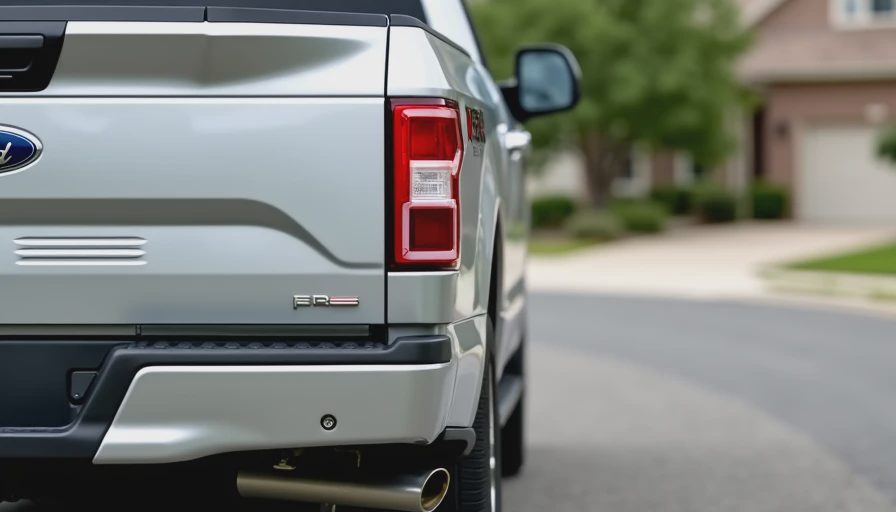
2022 Ford F-150 XLT, 4x4, 5.0L, 41,000 miles. Used for towing a small travel trailer and weekend hardware store runs. Nothing extreme.
A guy in a Ram backed into my passenger side rear at a gas station. Low speed but caught the corner just right. Damage looked cosmetic at first. It was not.
What the shop found after tear-down
Passenger side bedside severely buckled. Not just a dent. The whole panel shifted.
Outer wheel house deformed
Rear frame rail end – the last 14 inches – bent inward and slightly twisted
Bumper bracket tore off the frame end
Tailgate still works but gaps are off
No suspension damage. No axle or leaf spring issues. No cab damage.
Shop proposal came back two days ago.
The repair plan they want to do
Replace passenger bedside (OEM skin)
Replace outer wheel house
Section the rear frame rail. Cut at 14 inches from the end. Weld on a new rail section.
Pull the remaining minor twist from the rail forward of the cut
New bumper, brackets, and tail lamp
Paint and blend
Total estimate: $14,200
Insurance approved it. No fight. They say the truck is worth $38k pre-crash, so repair is well under total loss threshold.
Why I am stuck
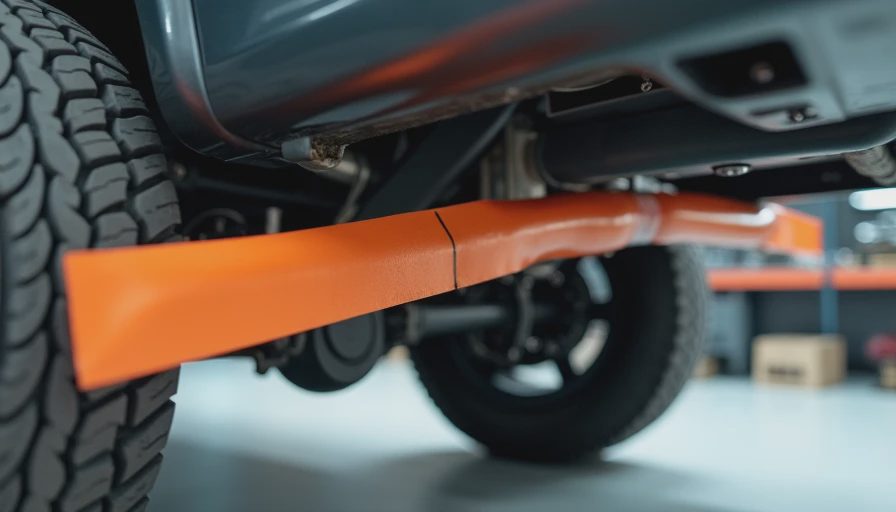
The shop says this is routine. "We do frame sections all the time on F-150s. The rear section is just a bolt-on extension in some years but yours needs a weld. No big deal."
But I keep reading.
A welded frame is a welded frame. Even if it's just the last 14 inches. Even if it's not near the suspension mounts.
And I tow. Not heavy, but 5,000 lbs behind me on a hot summer highway. If that weld fails or fatigues over time, I am the guy on the side of the road watching his trailer pass him.
The shop also cannot tell me if Ford has an approved sectioning procedure for this frame year. They say "we follow I-CAR guidelines." That is not the same as Ford saying yes.
What I am feeling right now
The truck drives perfectly. No wobble. No pull. No weird noises. The damage is only at the very back.
But I cannot unsee the proposal. Once that frame is cut and welded, the truck is permanently marked. Carfax will show structural repair. Resale takes a hit. But that is not even my main worry.
My main worry is this:
Five years from now, 80,000 miles, hauling a camper through the mountains, does that weld hold? Does it rust from the inside out because cavity wax did not reach the right spot? Does it crack because the shop used the wrong filler metal?
No one can guarantee me no.
What I am considering
Option A: Let them fix it. Keep the truck for 5+ years. Drive it until the wheels fall off. Accept that I own a welded-frame truck and treat it like a long-term tool, not an asset.
Option B: Take the insurance payout (less salvage value) and sell the truck as-is to a private buyer who wants a project. Take the loss and buy a different truck.
Option C: Push for a full frame replacement. This will total the truck for sure because labor is insane. But maybe that is cleaner? Start over with a different truck?
Option D: Repair it and sell it immediately. Let someone else worry about the weld. Feels dishonest unless I fully disclose. But fully disclosed means lowball offers forever.
What I need from you
I am not asking for guesses. I am asking for owners who have been here.
Did you keep a truck after a rear frame section? How many miles since? Any cracks, rust, or alignment drift?
Did you regret keeping it? Or did you regret selling it?
If you tow with a sectioned frame, did any shop or trailer dealer ever warn you?
What specific questions should I ask the shop before I say yes? (Weld procedure? Post-weld coating? Alignment measurements? Photos before seam sealer?)
And the hard one:
If this was your truck and you planned to keep it for 10 years, would you fix it or walk away?
What I am not asking
I do not need legal advice. I do not need "call a lawyer." I need real-world truck owner experience.
I also do not need "a good shop can make it as good as new." I have heard that. I want to hear from people who believed that and found out one way or the other.
If you have a case file
Link it. Especially if you have:
F-150 rear frame section with 2+ year follow-up
Photos of the weld before and after
Any towing experience post-repair
Failed weld or rust story
I want to read the bad outcomes as much as the good ones. Maybe more.


No notes yet — write the first.