If you're tackling a paint repair after an accident, you might be wondering: how long should you wait to clear coat after painting? The answer isn't a one-size-fits-all number. It depends on the type of paint, temperature, humidity, and whether you're using a professional booth or a backyard setup. In this guide, we break down the timing so your repair looks professional and lasts.
The Science Behind Clear Coat Application Timing
Clear coat is a transparent layer that protects the color coat and adds gloss. For it to bond properly, the base coat must be dry enough that the clear doesn't cause lifting or solvent pop, but still tacky enough for mechanical adhesion. Most paint manufacturers specify a "flash time" between coats and a "recat time" before clear. For water-based paints, this can be as short as 15–30 minutes under ideal conditions. For solvent-based paints, you may need 1–2 hours. The key is to follow the Technical Data Sheet (TDS) for your specific product. Skipping this waiting period can lead to adhesion failure, cracking, or a dull finish.
Factors That Affect Drying Time
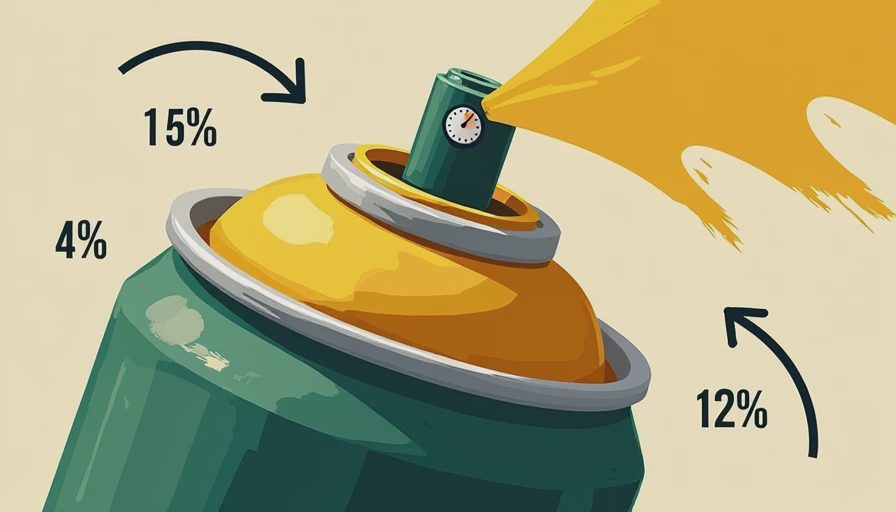
Several variables influence how long you should wait to clear coat after painting. Temperature is critical—above 70°F (21°C) speeds drying, while below 60°F (15°C) can double it. Humidity also matters; high humidity slows solvent evaporation. Airflow helps, but avoid direct fans that might blow dust onto the wet base. The paint type matters too: urethane enamels dry faster than alkyds. Even the color can matter—dark colors absorb heat and dry quicker. In a home garage, a typical wait is 30–60 minutes for the base coat to flash, then a light touch at the edge of a masked area confirms it's ready. If the base feels soft or cool to the finger, wait another 15 minutes.
The Risk of Waiting Too Short or Too Long
If you apply clear too soon, the solvents in the clear can reactivate the base coat, causing wrinkling or a cloudy appearance—commonly called "solvent pop." This is especially common with heavy coats or cold conditions. On the other hand, waiting too long—like overnight—can cause the base to fully cure, making the clear adhere poorly and leading to delamination down the road. Most auto paint systems have a "maximum recoat window" of 24–48 hours. For DIY repairs after an accident, you want to avoid both extremes. The sweet spot is usually when the base coat is dry to the touch but still slightly alive—usually within 1–2 hours of painting.
A Step-by-Step Timeline for DIYers
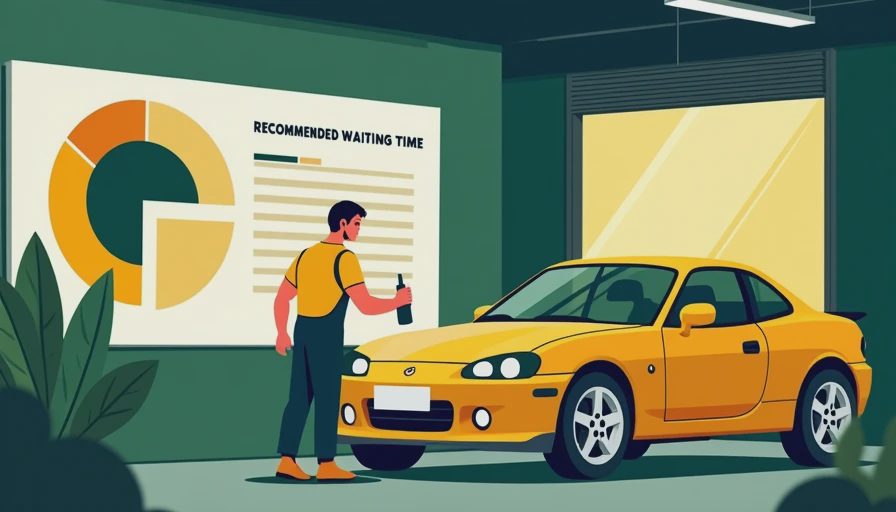
Here's a practical schedule for the home mechanic applying clear coat after a base coat repair:
- After final base coat: Let it flash for 15–20 minutes. Then check tack—touch an inconspicuous area with a clean finger. If it's dry with no transfer, proceed.
- Wait period: For water-based, 30–60 minutes is typical. For solvent, 45–90 minutes.
- Before clear: Wipe the entire panel with a tack cloth to remove dust. Mix clear with hardener and reducer per instructions.
- Apply first clear coat: Light, medium-coverage pass. Flash 10–15 minutes.
- Second clear coat: Full wet coat. Flash until tack-free.
- Final check: After 24 hours, it's safe to handle. Full curing takes 7 days—avoid washing or waxing until then.
Common Mistakes and How to Avoid Them
One of the biggest mistakes DIYers make is rushing because the surface feels dry. A dry-to-the-touch base coat can still be open underneath. Always wait at least the minimum recommended time from the product label. Another mistake is painting in direct sunlight or high humidity; both can drastically alter drying times. If you're unsure how long should you wait to clear coat after painting in your environment, do a test patch on a scrap panel. It's better to waste a little material than to ruin a repair. Also, don't forget to clean your spray gun between base and clear—residual base can contaminate the clear and cause fisheyes.
Frequently Asked Questions About Clear Coat Timing
Q: Can I apply clear coat in cold weather, and does that change how long I should wait?
A: Yes. In temperatures below 60°F, drying slows significantly. You may need to double the flash time between coats. Use a hardener rated for cold temps, and consider a heated garage. Always check the paint manufacturer's guidelines for minimum temperature.
Q: Is the wait time different for metallic vs. solid colors?
A: Metallic paints often require a slightly longer flash to allow the metal flakes to settle and orient correctly. For metallic base coats, wait at least 30–45 minutes before clear to avoid disturbing the flakes. Solid colors can be cleared sooner.
Q: How can I test if the base coat is ready for clear without ruining the finish?
A: Use the knuckle test: lightly tap a hidden area with your knuckle. If the paint feels dry and doesn't leave a mark, it's safe. Avoid using your fingertip because oils can affect the surface.
Q: Does using a spray booth change the recommended wait time?
A: Yes. A booth with controlled temperature and airflow can speed up drying. In a booth at 70°F, water-based base coats may be ready for clear in 15–20 minutes. Without a booth, wait longer.
Final Verdict: When Is It Safe to Clear?
For most DIY automotive paint systems, the answer to "how long should you wait to clear coat after painting" is between 30 minutes and 2 hours. Stick to the manufacturer's recommendations, account for temperature and humidity, and test tack before applying clear. If you follow a disciplined timing schedule, your repair will have the durability and gloss of a professional job. And if the repair is part of an insurance claim from an accident, getting the clear coat timing right ensures the finish holds its value and resists UV damage for years to come.


No notes yet — write the first.