If you’ve ever repainted a car or had bodywork done, you’ve probably asked: how many coats of clear coat on a car? The short answer from factory paint lines is usually two to three wet coats, but the real number depends on whether you’re matching OEM quality, doing a budget DIY job, or chasing a show-car finish.
Clear coat is the final transparent layer that protects the color base coat from UV, stone chips, and oxidation. Too few coats and you get thin coverage that fades quickly. Too many and you risk runs, orange peel, or cracking. Let’s break down the numbers so you know exactly what to aim for.

The Standard: 2-3 Coats from OEM
Original equipment manufacturers typically spray two to three thin, even coats of clear. This gives about 1.5 to 2.0 mils (thousandths of an inch) of dry film thickness. Why not more? Because factory paint is baked at high temperature, and extra coats would trap solvents, leading to blistering. The industry standard is consistent: most automakers approve two to three coats and call it done.
Even premium brands like BMW, Mercedes, and Lexus stick to three coats. The thickness is sufficient to withstand 8-10 years of normal exposure before polishing wears through. So if your car still has clear coat failure after 5 years, it’s usually a materials or prep issue, not insufficient coats.
Why More Coats Isn’t Always Better
A common myth is that piling on extra coats of clear gives better protection. In reality, adding more than four coats increases the risk of delamination—the clear peel away from the base coat or from itself. Each layer needs proper flash time and solvent release. Thick clear also makes future paint correction harder because you have to sand deeper to remove defects.
I’ve seen repair jobs where the shop applied six coats to “make it last.” The result? Heavy orange peel that required aggressive wet-sanding, and two years later the clear started cracking around door edges. The evidence is clear: more is not better once you exceed the original design thickness.
How Many Coats for a DIY or Shop Paint Job?
For a home-garage rattle-can job, the answer is different. Single-component clear coats from spray cans are thinner per coat and often less UV-resistant. A good rule is three to four light coats, allowing 10 minutes flash between each. This builds enough thickness to sand and polish later.
Professional two-part (2K) urethane clear in a body shop is much higher solids. Two medium-wet coats usually achieve 2.0-2.5 mils, which is plenty. Some painters do a light “tack” coat, then two full wet coats—effectively three but the first is just a dusting. So to answer the question “how many coats of clear coat on a car” for a professional job: two full coats after a tack coat is the most common recipe.
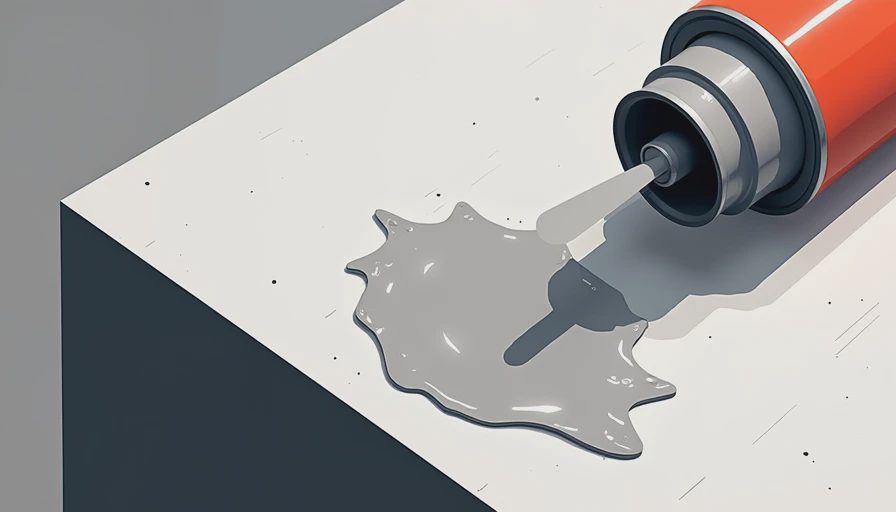
What Happens When You Apply Too Many Coats?
Applying more than the recommended number of coats causes several problems. First, solvent pop: the top layer skins over while solvent underneath tries to escape, leaving pinholes. Second, runs and sags become almost impossible to avoid, especially on vertical panels. Third, the extra weight and thickness can make the clear brittle. Over-thick clear also complicates future repairs because blending becomes difficult—new clear may not melt into old clear properly.
If you’re doing a complete color change or show-car finish, three to four thin coats with proper sanding between each might be acceptable, but only if you let each coat cure long enough. Real-world examples from the forum show that three coats is the sweet spot for durability without headaches.
Clear Coat Application Tips for Long-Lasting Results
Regardless of how many coats you choose, quality depends on technique. Always clean the surface thoroughly and use a tack cloth before spraying. Keep the gun distance and air pressure consistent. Apply each coat in a 50% overlap pattern, moving from one side to the other. Allow at least 10-15 minutes flash time between coats in a warm, ventilated area.
For maximum UV protection, use a clear with added UV absorber (most 2K clears have it). Don’t skip the clear coat and hope the base alone will protect the car—it won’t. The best practice is to follow the paint manufacturer’s technical data sheet (TDS) for the exact film build they recommend.
Frequently Asked Questions about Clear Coat Count
Q: How many coats of clear coat on a car from the factory?
A: Typically two to three wet coats, resulting in about 1.5-2.0 mils dry thickness.
Q: Can I apply a fourth coat for extra protection?
A: It’s risky. The added thickness often causes more problems than it solves. Stick to three if you must push it.
Q: How many coats for a touched-up spot?
A: Lightly apply two thin coats over the painted area, then blend with polish if needed.
Q: Does color affect how many coats of clear you need?
A: No—clear application is the same for all colors. However, metallic or pearl base coats sometimes require more careful clear coverage to avoid mottling.
Remember, the real answer to how many coats of clear coat on a car is “enough to protect, but not so many that it harms.” For most drivers, two to three quality coats will give you years of protection. Whether you’re finishing a repair or a full respray, let the paint guide—and your environment—dictate the final number.





No notes yet — write the first.