If you’ve ever run your hand over a freshly painted panel and felt a texture like the skin of an orange, you’ve encountered primer orange peel. This is a surface roughness that occurs when the primer doesn’t level out properly during application. In accident repair, primer orange peel is more than a cosmetic annoyance — it can be a red flag about the quality of the body shop’s work. When a shop rushes through the primer stage or uses improper technique, the defect often carries through to the final paint. So if you see it before the clear coat goes on, you have a chance to demand a redo. But even after the job is done, primer orange peel can indicate deeper issues with prep, material selection, or even the repair itself. Let’s break down what it is, why it matters, and what you should do if you find it on your car.
What Exactly Is Primer Orange Peel?
Orange peel in primer looks exactly like its name — a dimpled, uneven surface that resembles the skin of an orange. It happens when the primer spray droplets don’t flatten out into a smooth film before drying. Instead, they land and set in a bumpy pattern. The severity can range from a subtle texture only visible under strong light to a rough finish you can feel with a fingernail. In the context of collision repair, primer is applied over bare metal, filler, or direct-to-metal coatings. Its job is to provide adhesion for the paint and to block out the substrate. When primer orange peel appears, it means the primer layer wasn’t given the right conditions to flow out — typically because of improper thinning, gun settings, or flash times. Some orange peel in factory paint is normal, but in primer, it’s usually avoidable.
Why Should You Care After Accident Repair?
A car that’s been through serious repair already has compromised structural and cosmetic integrity. Primer orange peel may seem minor, but it’s often a sign of rushed work or inexperienced painters. If the shop didn’t take time to lay down a smooth primer coat, what else did they skip? Could the filler be too thick, the guide coat be missing? Moreover, primer orange peel can telegraph through the paint, especially with metallic or pearl finishes. Even if the final paint looks okay, the texture may show under certain lighting. And if the orange peel is deep, sanding it out later can risk sanding through the paint. For resale value, any visible texture in the paint job will be noted by a trained eye. A car with a wavy or pebbly finish screams “been painted” and can lower the price by hundreds or even thousands of dollars, depending on the vehicle.
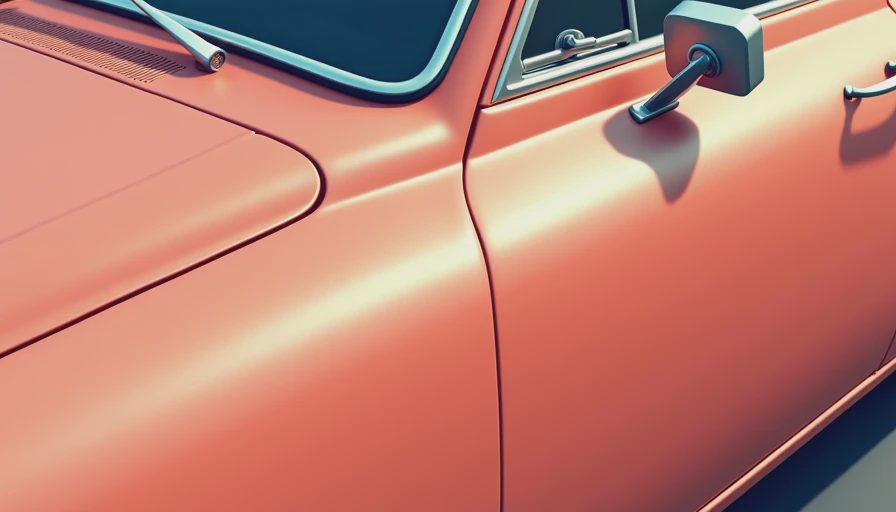
How to Spot Orange Peel in Primer
You won’t always see primer orange peel with the naked eye — especially if the shop has already scuffed it and applied paint. But if you catch the car in the primer stage, or even after paint, here’s how to check:
- **Angle lighting:** Shine a bright LED flashlight across the panel at a low angle. Orange peel will cast tiny shadows that highlight the texture.
- **Fingertip test:** Gently drag your fingernail across the surface. If you feel a vibration or catch, there’s texture.
- **Reflection test:** Look at the reflection of a straight line (like a fluorescent tube) in the paint. If the line is wavy or broken up, you have orange peel.
- **Compare panels:** Compare the repaired panel to an adjacent factory panel. Factory orange peel is usually uniform; repair orange peel often looks patchy.
If you spot primer orange peel before the clear coat is applied, tell the shop immediately. Once the clear coat is on, the defect becomes harder to fix without a full respray.
What Causes Primer Orange Peel?
The root causes are almost always application related. The most common factors:
- **Wrong reducer or thinner:** Using a solvent that evaporates too fast leaves no time for the primer to flow out.
- **Too much material applied too thick:** Heavy coats don’t level; they stack.
- **Gun too close or too far:** Improper distance affects atomization and wetness.
- **Low air pressure:** Poor atomization creates large droplets that don’t flatten.
- **Incorrect temperature or humidity:** Cold or humid conditions slow drying but also reduce flow.
- **Insufficient flash time between coats:** Not allowing the previous coat to set traps solvent and prevents leveling.
Good painters adjust these variables for every job. Primer orange peel is often a clue that the shop is working on autopilot instead of dialing in the process.
Can You Fix It Without Respraying?
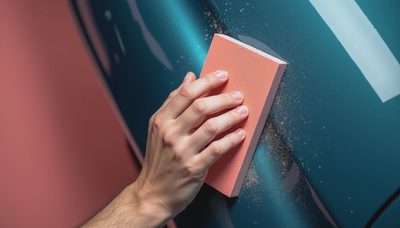
If the orange peel is mild, a skilled painter can wet-sand the primer with 600- or 800-grit sandpaper to flatten it before applying paint. This removes the high spots and creates a smooth foundation. However, this approach only works if the primer is thick enough to sand without breaking through to the substrate. Many shops avoid sanding primer because it adds labor time. Some will simply spray paint over orange-peeled primer, hoping the color and clear coat will hide it. That’s a shortcut. If you’re paying for a quality repair, insist on a smooth primer surface. If the car is already painted, fixing it usually requires sanding the clear coat and repainting — a much bigger job. In extreme cases, the entire panel may need to be stripped and refinished.
How to Make Sure Your Shop Doesn’t Leave Orange Peel
Before you hand over your car, ask these questions:
- Do you use a guide coat when sanding primer? (A guide coat reveals low spots and texture.)
- What grit do you final-sand primer before paint? (400-600 is typical for single-stage, 800 for base/clear.)
- Do you check primer leveling with a light before paint?
- Can I see the car in the primer stage before it goes to the paint booth?
A reputable body shop will be transparent about their process. If they bristle at these questions, that’s a warning sign.
Bottom Line
Primer orange peel is a defect that should not be ignored. In the context of accident repair, it’s a window into the shop’s standards. A smooth primer coat isn’t just about looks — it’s about ensuring the paint system adheres properly and lasts. Don’t let a shop pass off orange peel as normal. Your car’s finish — and its resale value — depend on it.
No notes yet — write the first.